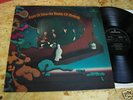
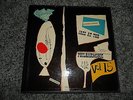
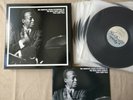
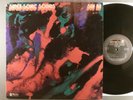
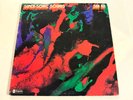
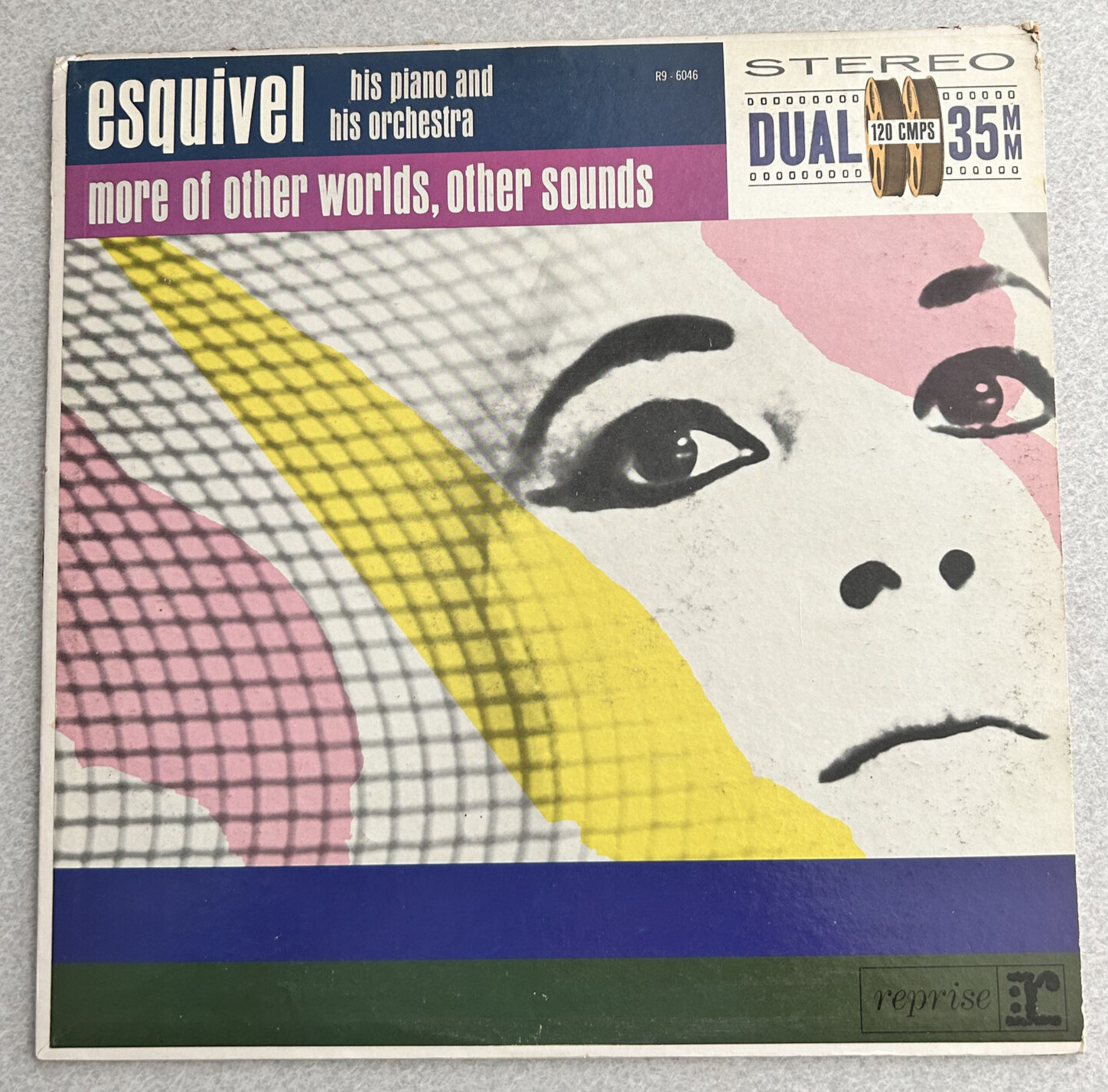
Esquivel More Of Other Worlds Other Sounds LP St R9-6046 Space Age Bachelor Pad
$
60
Favourite Auctions
To save auctions to your favourites, please login
If you don't have an account, please register
Description
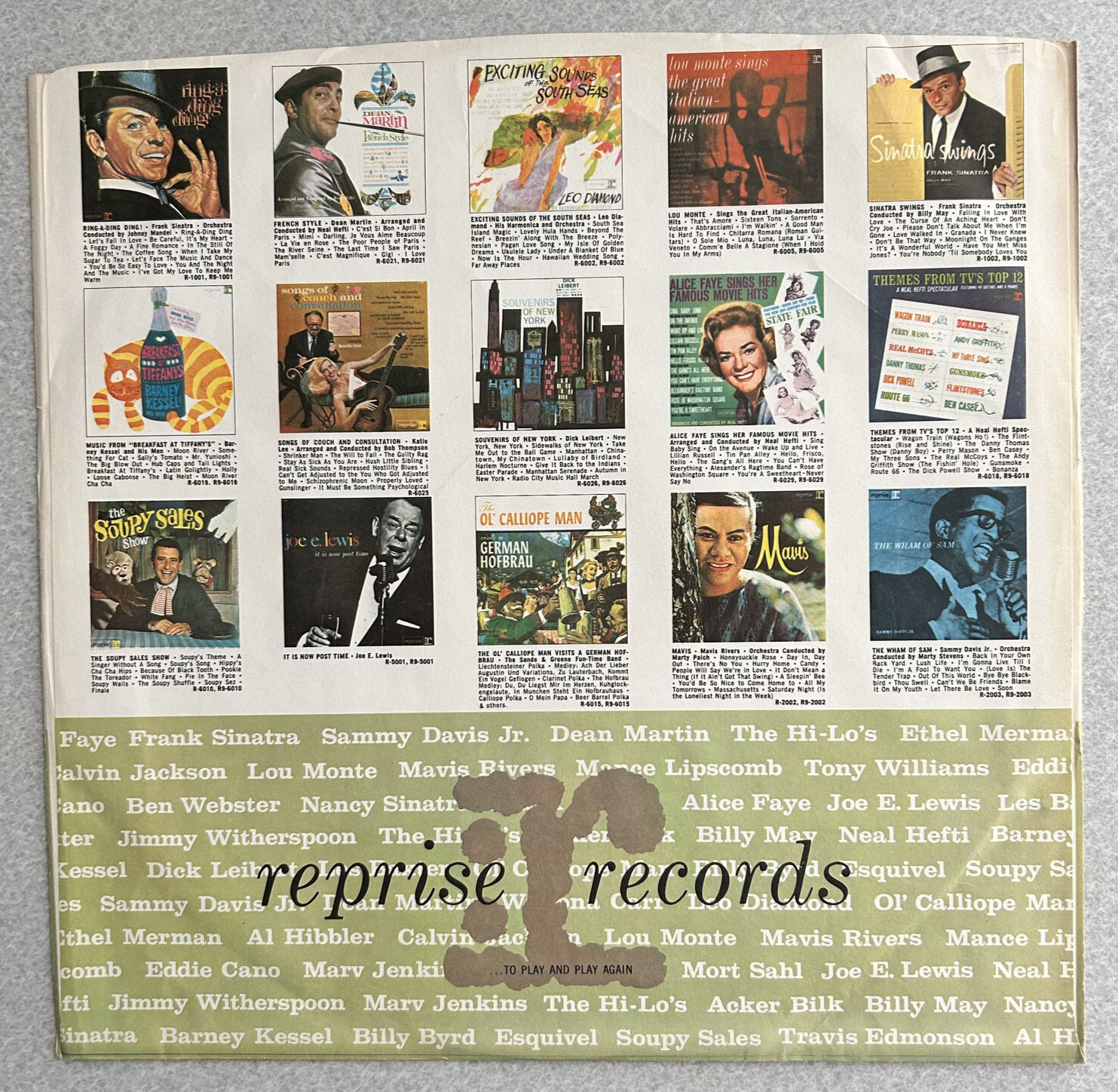
Esquivel More Of Other Worlds Other Sounds LP St R9-6046 Space Age Bachelor Pad Archival Sleeve
His Best in my opinion
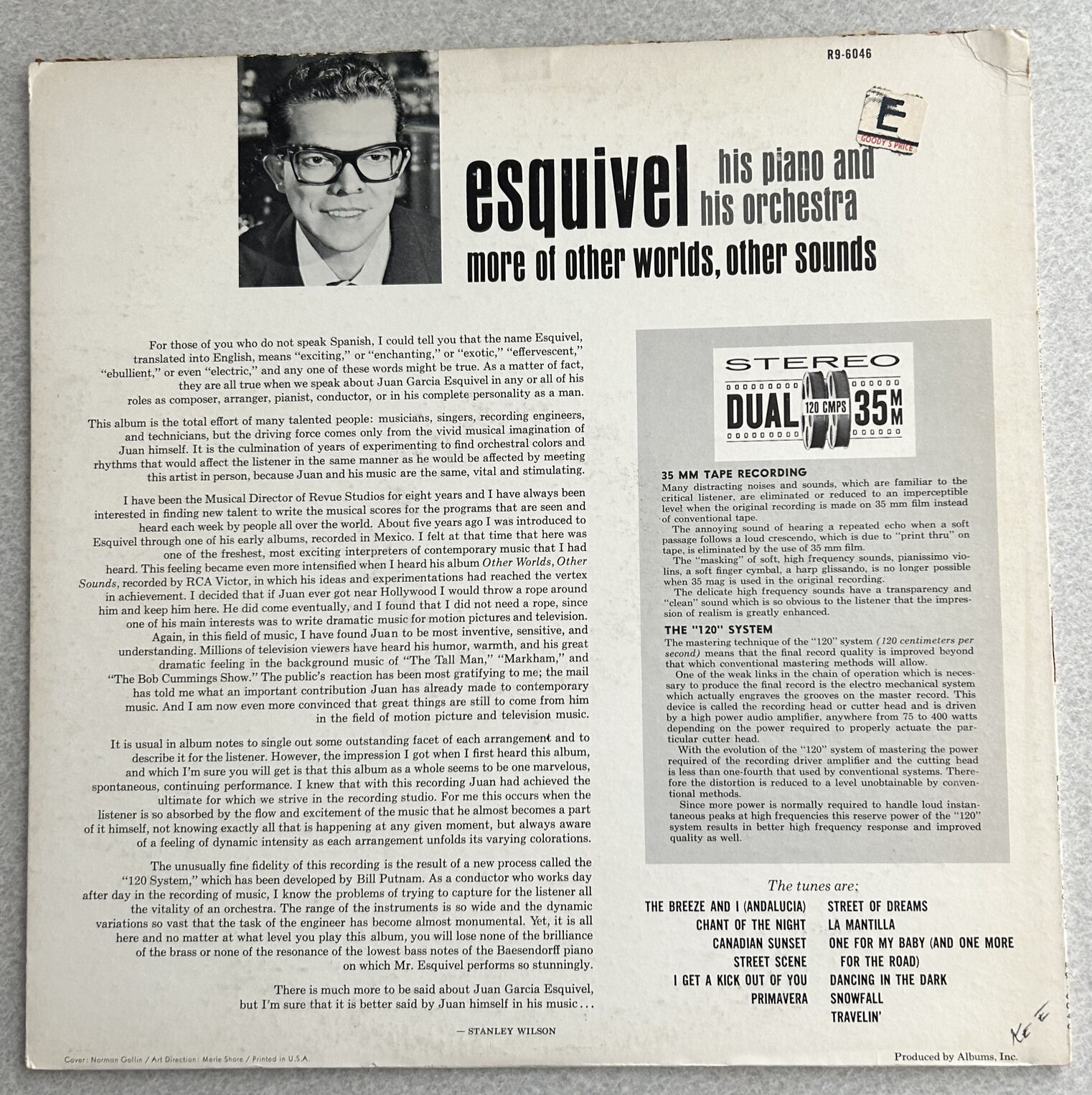
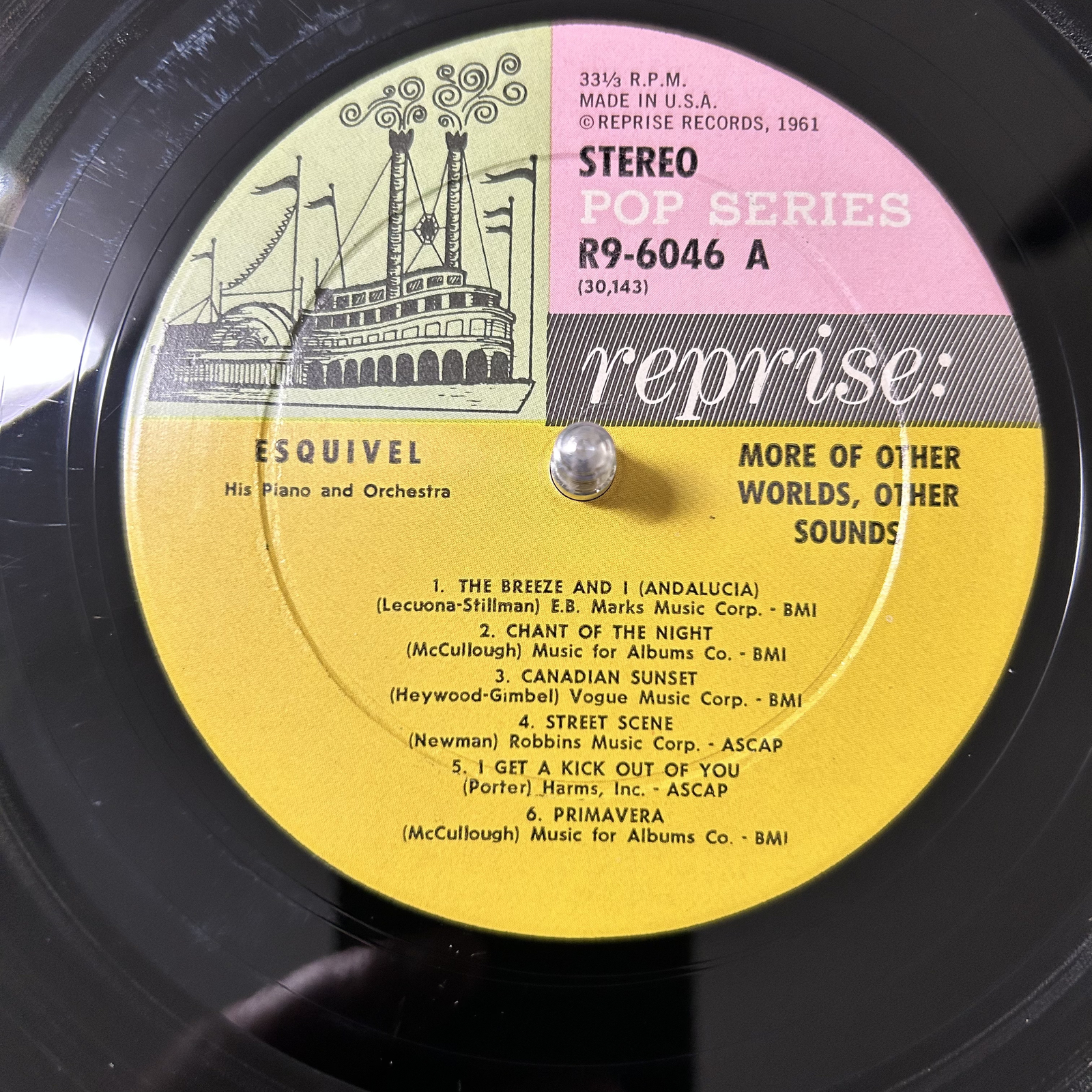
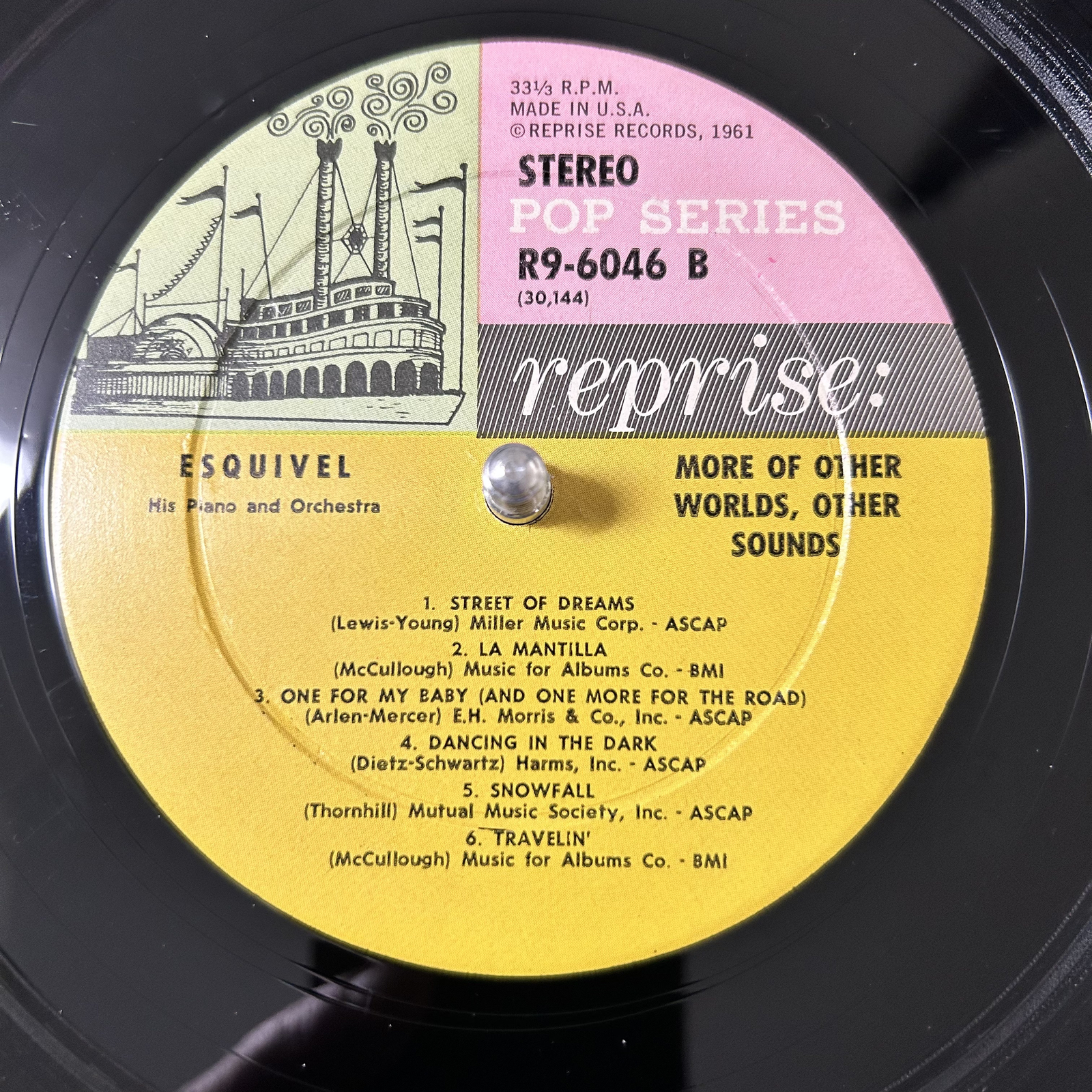
Traditionally the most sought after and highest valued Esquivel record, More of Other Sounds Other Worlds should be considered in context. First, it is not a sequel to the RCA record of three years earlier. The title only reflects Stanley Wilson's desire to record Esquivel since having heard the earlier LP. Second, the label switch is significant. Reprise, a division of Warner Bros., started out giving old masters a fresh shot (hence the name). While the dual 35mm film recording process is played up, it is more important that new people are involved after hi-fi and stereo have become old hat. (Another great, similar "Reprise" from this period is Les Baxter's return to exotica in The Primitive and the Passionate.) The album begins with "The Breeze and I (Andalucia)," a brassy bullfighting number. "Street Scene" and "One for My Baby (And One More for the Road)" belong to the bluesy urban crime jazz idiom. The rest of the album is typical of the style of Esquivel's later U.S. RCA work. While not his quirkiest or most sensational, it is among his best and most interesting.
Juan García Esquivel (January 20, 1918 – January 3, 2002), often known mononymously as Esquivel!, was a Mexican band leader, pianist, and composer for television and films. He is recognized today as one of the foremost exponents of a sophisticated style of largely instrumental music that combines elements of lounge musicand jazz with Latin flavors. Esquivel is sometimes called "The King of Space Age Pop" and "The Busby Berkeley of Cocktail Music", and is considered one of the foremost exponents of a style of late 1950s-early 1960s quirky instrumental pop that became known (in retrospect) as "Space Age Bachelor Pad Music".
Esquivel played a style of late 1950s-early 1960s quirky instrumental pop known today as lounge music. Esquivel's musical style was highly idiosyncratic, and although elements sound like his contemporaries, many stylistic traits distinguished his music and made it instantly recognizable. These included exotic percussion, wordless vocals, virtuoso piano runs, and exaggerated dynamic shifts. He used many jazz-like elements; however, other than his piano solos, there is no improvisation, and the works are meticulously arranged by Esquivel himself, who considered himself a perfectionist as a composer, performer, and recording artist.
His orchestration employed novel instrumental combinations, such as Chinese bells, mariachi bands, whistling, and numerous percussion instruments, blended with orchestra, mixed chorus, and his own heavily ornamented piano style. Vocal groups were often utilized to sing only nonsense syllables, most famously "zu-zu" and "pow!" A survey of Esquivel's recordings reveals a fondness for glissando,sometimes on a half-valved trumpet, sometimes on a kettle drum, but most frequently on pitched percussion instruments and steel guitars.
Esquivel's use of stereo recording was notable, and he occasionally employed two bands recording simultaneously in separate studios, such as on his album Latin-Esque (1962). That album's song "Mucha Muchacha" makes unusual use of stereo separation, with the chorus and brass rapidly alternating in the left and right audio channels.
He arranged many traditional Mexican songs like "Bésame Mucho", "La Bamba", "El Manisero" (Cuban/Mexican) and "La Bikina"; covered Brazilian songs like "Aquarela do Brasil" (also known simply as "Brazil") by Ary Barroso, "Surfboard" and "Agua de Beber" by Tom Jobim, and composed spicy lounge-like novelties such as "Mini Skirt", "Yeyo", "Latin-Esque", "Mucha Muchacha" and "Whatchamacallit". He was commissioned to compose the music of a Mexican children's TV show Odisea Burbujas. His 1958 album Four Corners of the World featured a fusion of "Latin American music combined with the wonderful melodies of European classical music."
His concerts featured elaborate light shows years before such effects became popular in live music. He performed in Las Vegas on several occasions, often as the opening act for Frank Sinatra. He frequently performed at the Stardust casinolounge circa 1964.
price rating