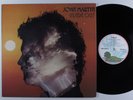
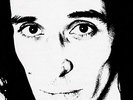
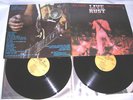
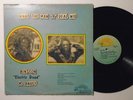
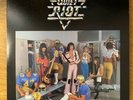
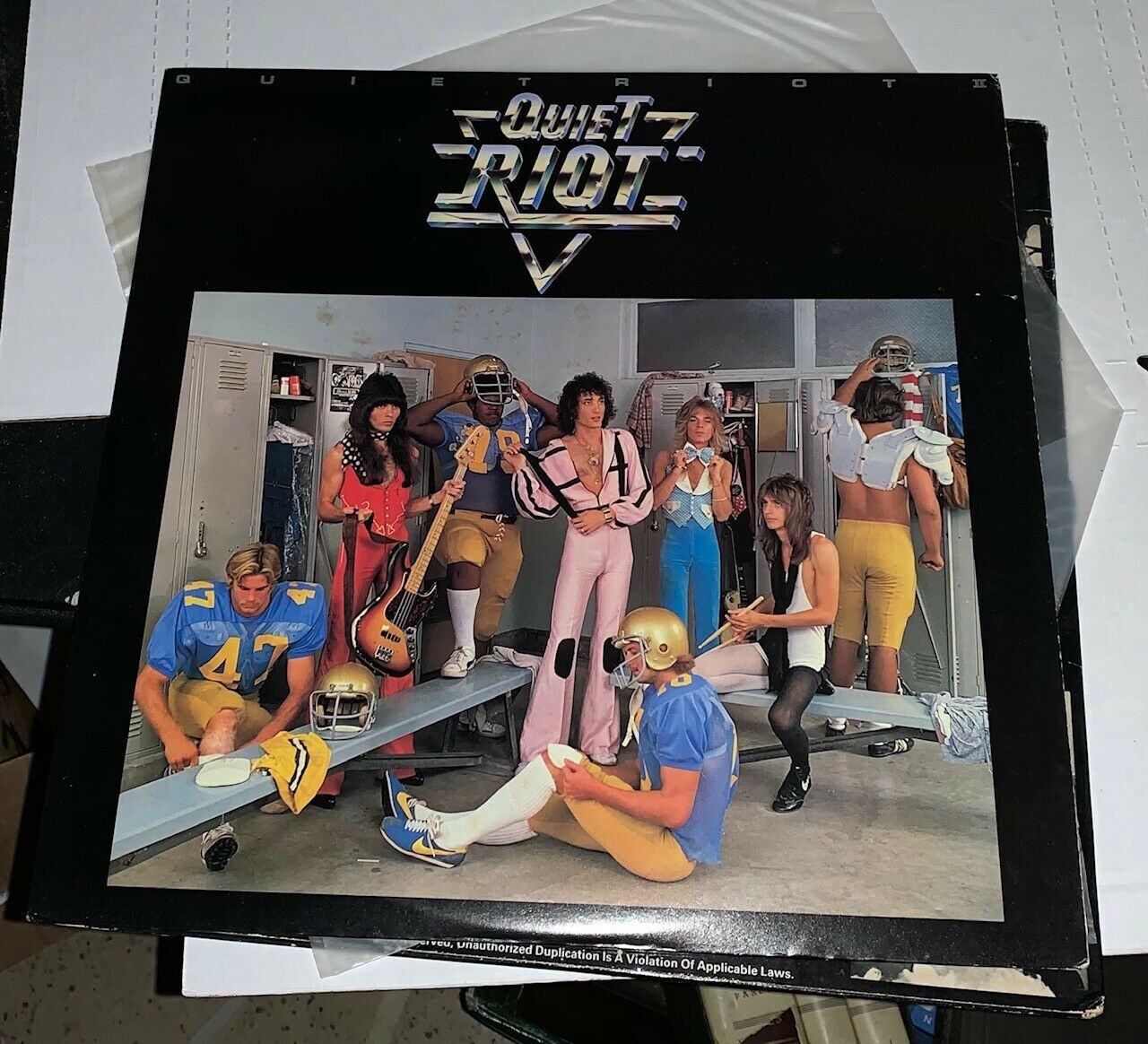
Quiet Riot II CBS/Sony 25AP 1192 1979 Japan Only Release Randy Rhoads EX/EX Rare
$
150
Favourite Auctions
To save auctions to your favourites, please login
If you don't have an account, please register
Description
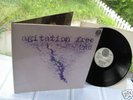
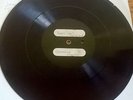
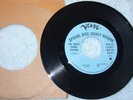
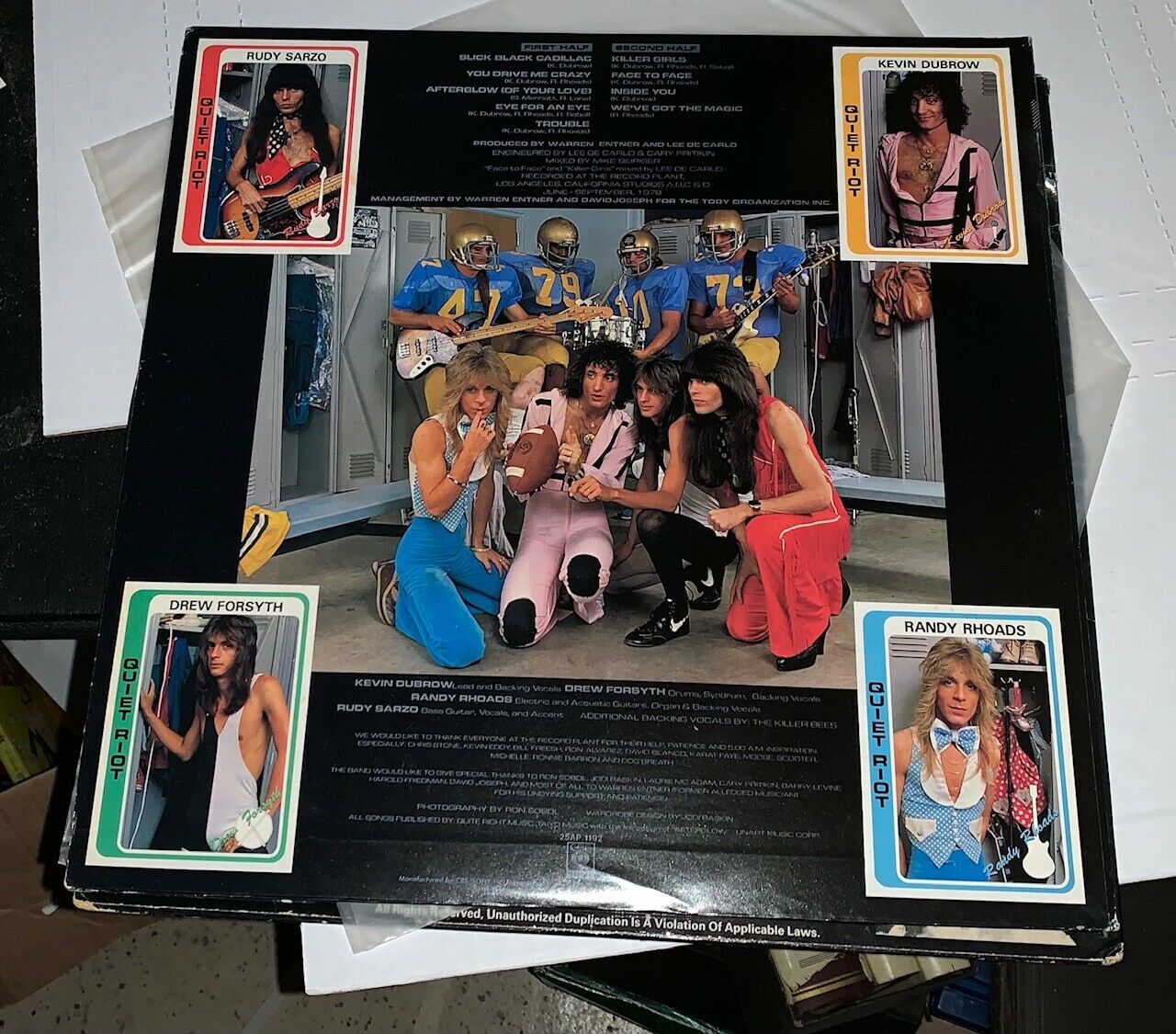
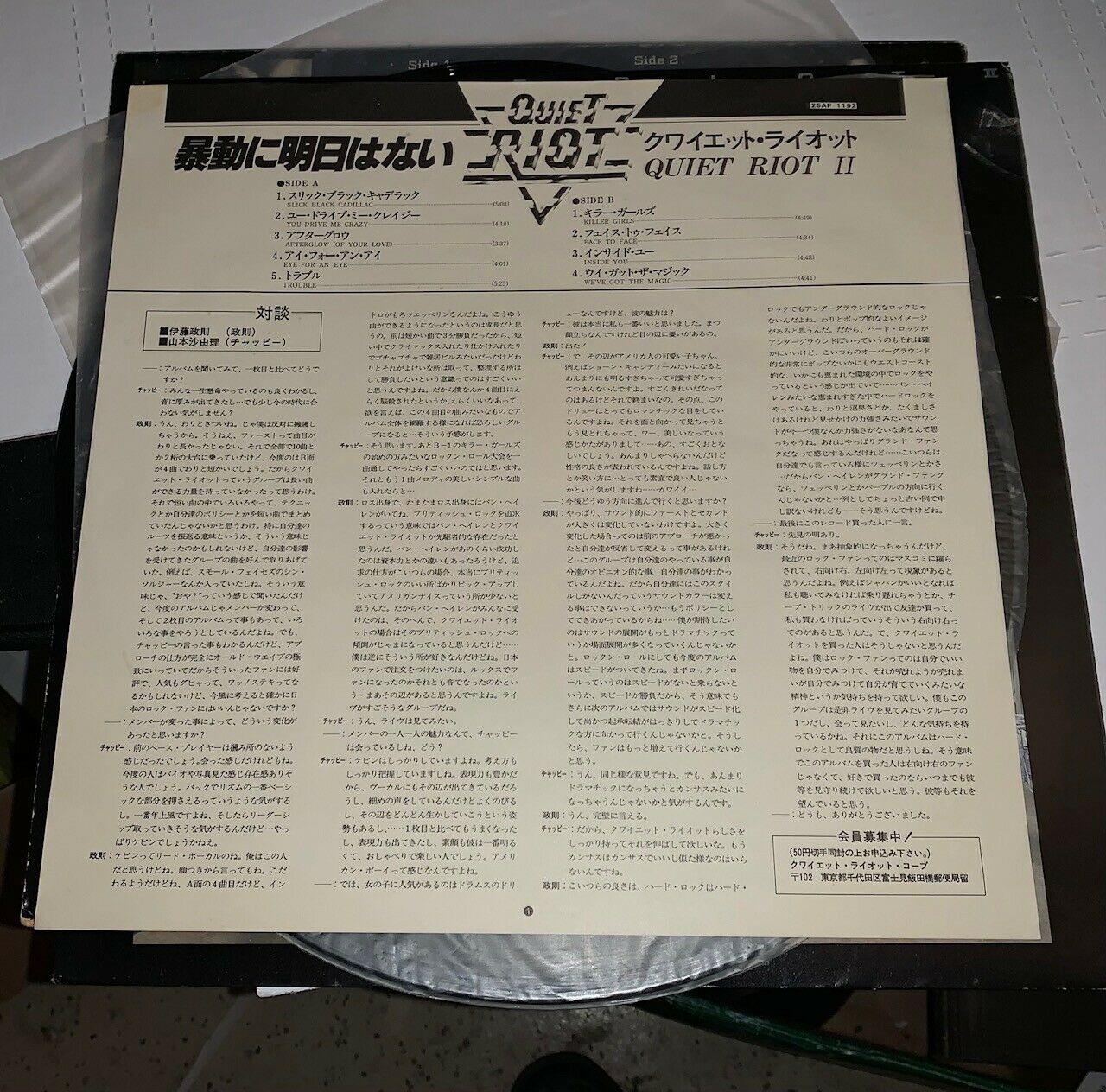
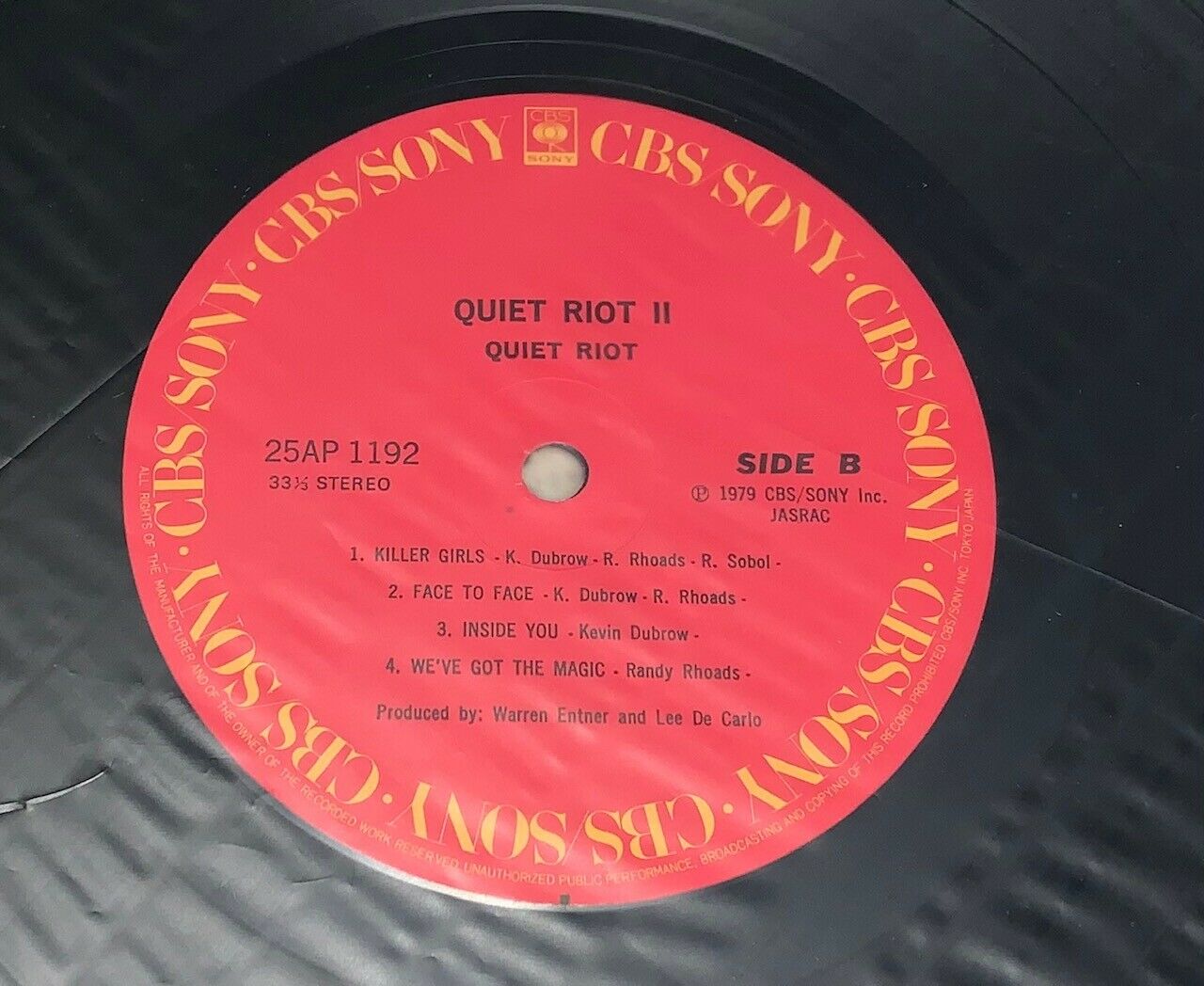
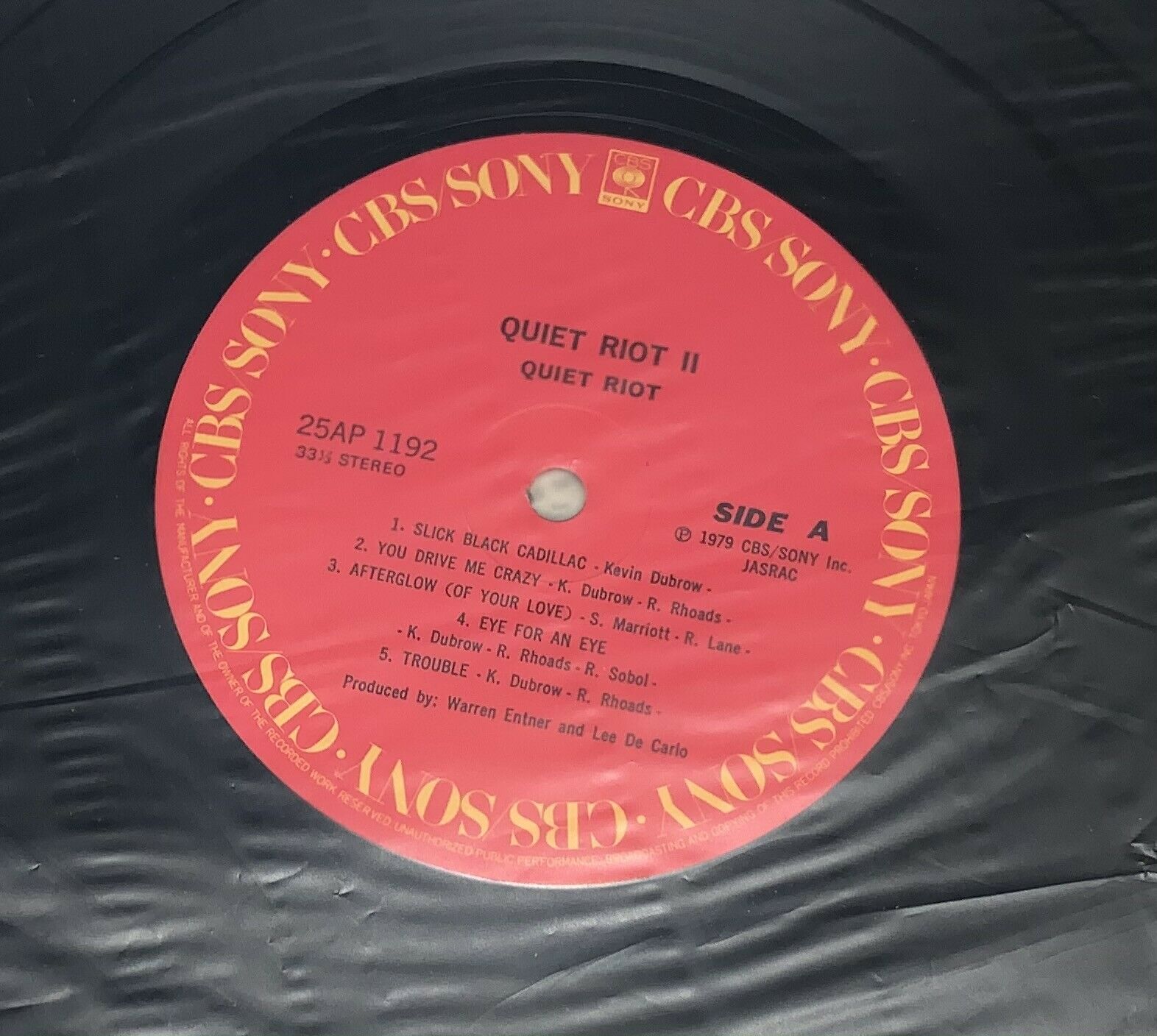
Quiet Riot ?– Quiet Riot II Label: CBS/Sony ?– 25AP 1192 Format: Vinyl, LP, Album, Stereo Country: Japan Released: 1979 Genre: Rock, Blues Style: Hard Rock, Glam TracklistHide Credits A1 Slick Black Cadillac Written-By – Kevin Dubrow 5:08 A2 You Drive Me Crazy Written-By – Kevin Dubrow, Randy Rhoads 4:18 A3 Afterglow (Of Your Love) Written-By – Ronnie Lane, Steve Marriott 3:37 A4 Eye For An Eye Written-By – Kevin Dubrow, Randy Rhoads, Ron Sobol 4:01 A5 Trouble Written-By – Kevin Dubrow, Randy Rhoads 5:25 B1 Killer Girls Written-By – Kevin Dubrow, Randy Rhoads, Ron Sobol 4:49 B2 Face To Face Written-By – Kevin Dubrow, Randy Rhoads 4:34 B3 Inside You Written-By – Kevin Dubrow 4:48 B4 We've Got The Magic Written-By – Randy Rhoads 4:41 Companies, etc. Manufactured By – CBS/Sony Inc. Credits Bass – Rudy Sarzo Drums – Drew Forsyth Guitar – Randy Rhoads Vocals – Kevin Dubrow Notes 1979 Japan only 1st release. Comes with an obi and insert.
Kelly Garni and Randy Rhoads Played All Bass On This Album. Rudy Sarzo Is Credited But Does Not Appear. While Rudy Not Playing Has Been Known. Randy Rhoads Playing Bass Was Not Confirmed Until Ron Sobol's Book And Video "Quiet Riot: The Early Years."
Formed in 1973 by guitarist Randy Rhoads and bassist Kelly Garni, Quiet Riot became one of the more successful hard rock acts in Los Angeles in the mid-to-late 1970s. Originally known as Mach 1, the name was soon changed to Little Women before the name Quiet Riot was finally settled upon in May 1975. The band's name was inspired by a quote from Rick Parfitt of the British band Status Quo. Parfitt stated that he thought the name "Quite Right" would make a good band name and the term was misheard as "Quiet Riot". The band was inspired and chose this as their new name.[8][9][10][11][12]
Drew Forsyth, who had previously played with Rhoads and Garni in a band called Mildred Pierce, was hired as the new group's drummer, and an L.A. photographer named Kevin DuBrow was hired as lead vocalist. DuBrow was not at all what Rhoads had in mind for his new band, and he was not well liked by his Quiet Riot bandmates, a situation that caused a great deal of tension within the band. Rhoads had envisioned a frontman in the vein of Alice Cooper or David Bowie, but Dubrow was persistent and would not take no for an answer. In the end, Rhoads and Garni decided that if nothing else, DuBrow shared their enthusiasm and he was hired.[13]
Rhoads became the focal point of the band, both musically and visually. The "polka-dot theme" he incorporated onstage became Quiet Riot's visual signature during their time on the L.A. club circuit, with many fans showing up at the band's shows wearing polka-dot bow-ties and vests in emulation of what the guitarist wore on stage.[14] Musically, Rhoads' talent as a lead guitarist began to spread by word of mouth, and hard rock fans from across Los Angeles began frequenting the band's gigs to hear what the fuss was about.
In the 1970s, Quiet Riot developed a friendly but intense rivalry with Van Halen, a band they often played with in various L.A. clubs, including the Starwood and KROQ's Cabaret nightclub, before either act had signed a record deal. While Van Halen signed to Warner Bros. in 1977 and released a debut album that would achieve Gold certification, Quiet Riot's contract with Sony would see their first two albums released only in Japan, albums that to this day have never been released in the United States. The band recorded their debut album Quiet Riot, or QR I, in 1977.
Coupled with their inability to secure an American recording deal, tensions between vocalist DuBrow and bassist Garni began to tear the band apart. According to Garni, "I was on a constant quest to get him out of the band and get a different singer. I hated him, he hated me and we could not find any way whatsoever to get along which caused a lot of tension in the band and it put a lot of stress on Randy to try to be neutral."[15] Their second album Quiet Riot II, or QR II, was recorded at The Record Plant and released in Japan in 1978.
As Quiet Riot II was being recorded, the relationship between Garni and DuBrow finally reached its breaking point. After robbing a bar the previous night and stealing liquor, a drunken Garni unsuccessfully attempted to convince Rhoads to replace the vocalist. Garni drunkenly fired a handgun through the ceiling and a fistfight between him and Rhoads ensued. Garni then hatched a plan to drive across town to The Record Plant and kill DuBrow, who was there recording vocals for Quiet Riot II. Garni was arrested for drunk driving before he reached the studio, and the plan to kill his bandmate waned after he sobered up. Nonetheless, Garni's time in Quiet Riot came to a swift end.[3] Though his replacement, Rudy Sarzo, was pictured and credited on QR II, it was actually Garni who performed on the album.[16] Though he downplayed the inner conflict within the band, DuBrow would confess years later that this period of the band's existence had been extremely frustrating: "We had one of the best guitar players ever in our band and we couldn't get arrested!"[17]
By 1979, Rhoads began to tire of the turmoil within Quiet Riot as well as their failure to sign a US recording deal. Late that year he auditioned for Ozzy Osbourne's band upon the urging of future Slaughter bassist Dana Strum. Osbourne has stated in the ensuing years that he was immediately blown away by the guitarist's talent and hired him immediately.[18] Shortly thereafter, bassist Rudy Sarzo followed Rhoads to Osbourne's band and Quiet Riot's future seemed very much in doubt. As Quiet Riot was expected to disband at this point, Rhoads incorporated many riffs and fragments of early Quiet Riot material into the new material he was working on with Osbourne. According to Sarzo "a lot of the Quiet Riot songs ended up on the [Osbourne] albums under different titles. Obviously Randy thought we'd never use those songs again so he'd give the riffs to Ozzy who'd come up with new words." For example, the main riff of the Osbourne song "Suicide Solution" originated as a secondary riff during the verse of a Quiet Riot demo recording entitled "Force of Habit."[19]
According to DuBrow, Rhoads' departure from Quiet Riot in 1979 appeared to be the end of the line, saying that the loss "didn't derail the band, it ended it."[17] He and Forsyth attempted to carry on under the Quiet Riot name for a short time with the addition of guitarist Greg Leon before the band officially broke up in 1980.[20][21][22] Without Rhoads, fans lost interest. Following the demise of Quiet Riot, Dubrow recruited former Gamma drummer Skip Gillette and played shows in the L.A club circuit for approximately two years under the band name DuBrow
price rating