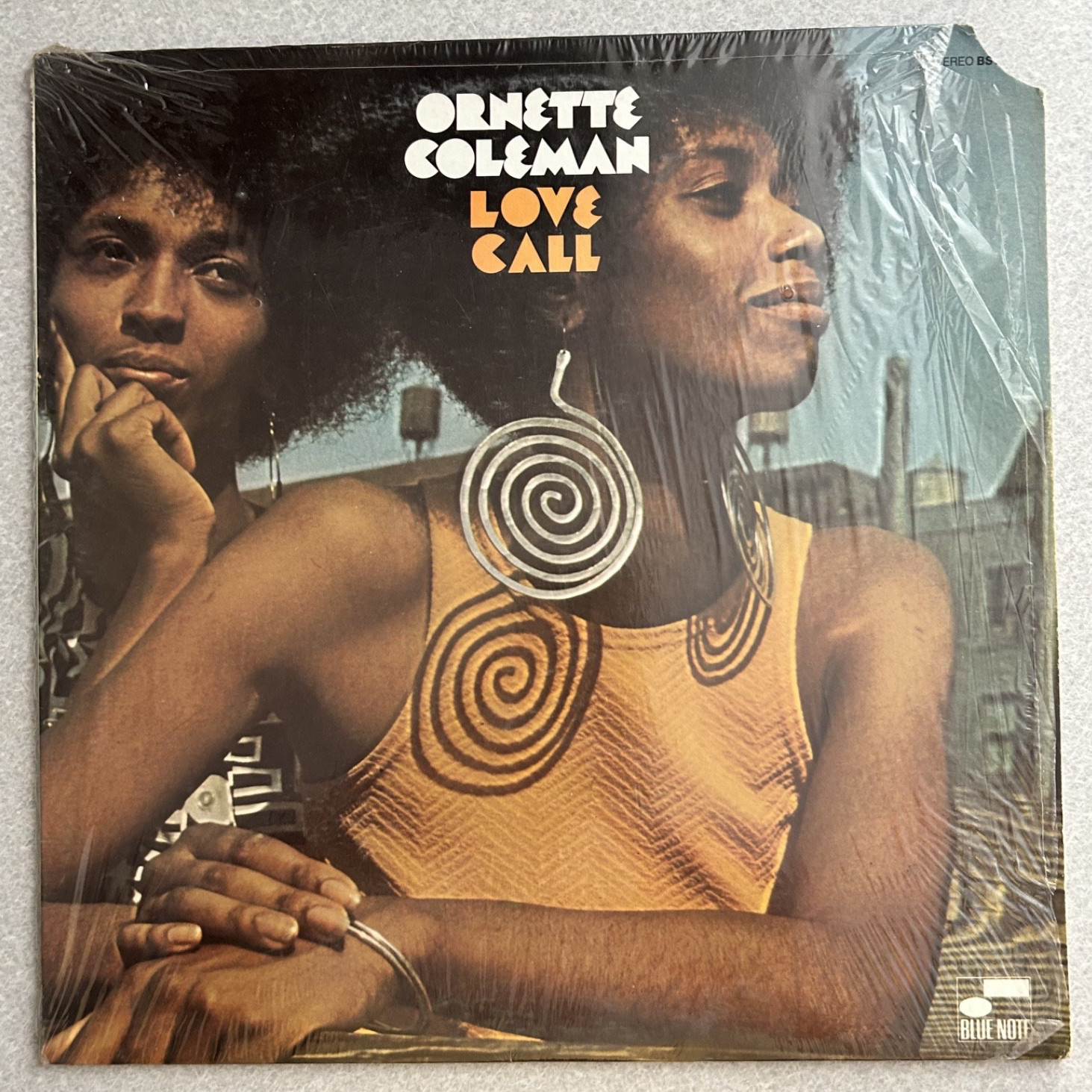
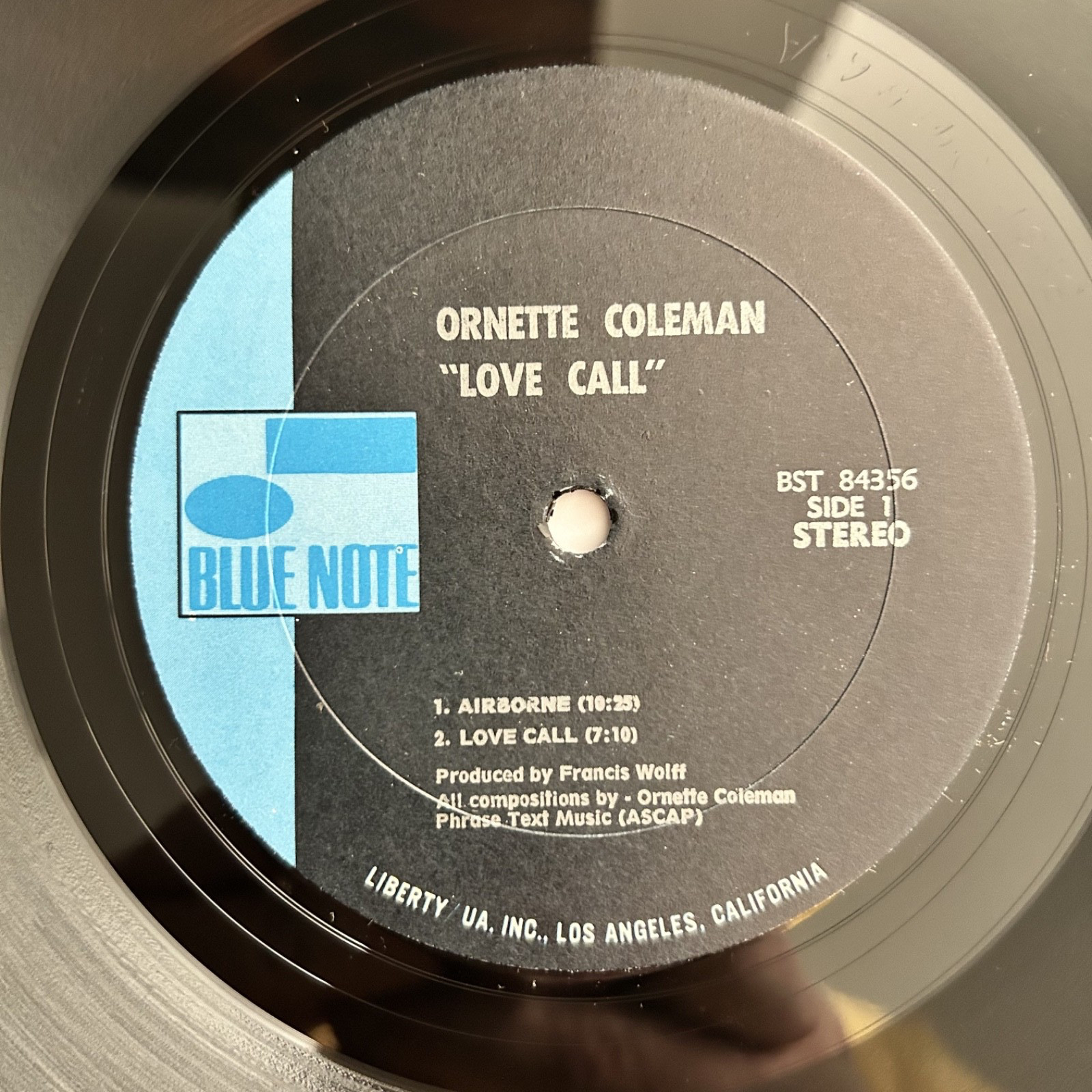
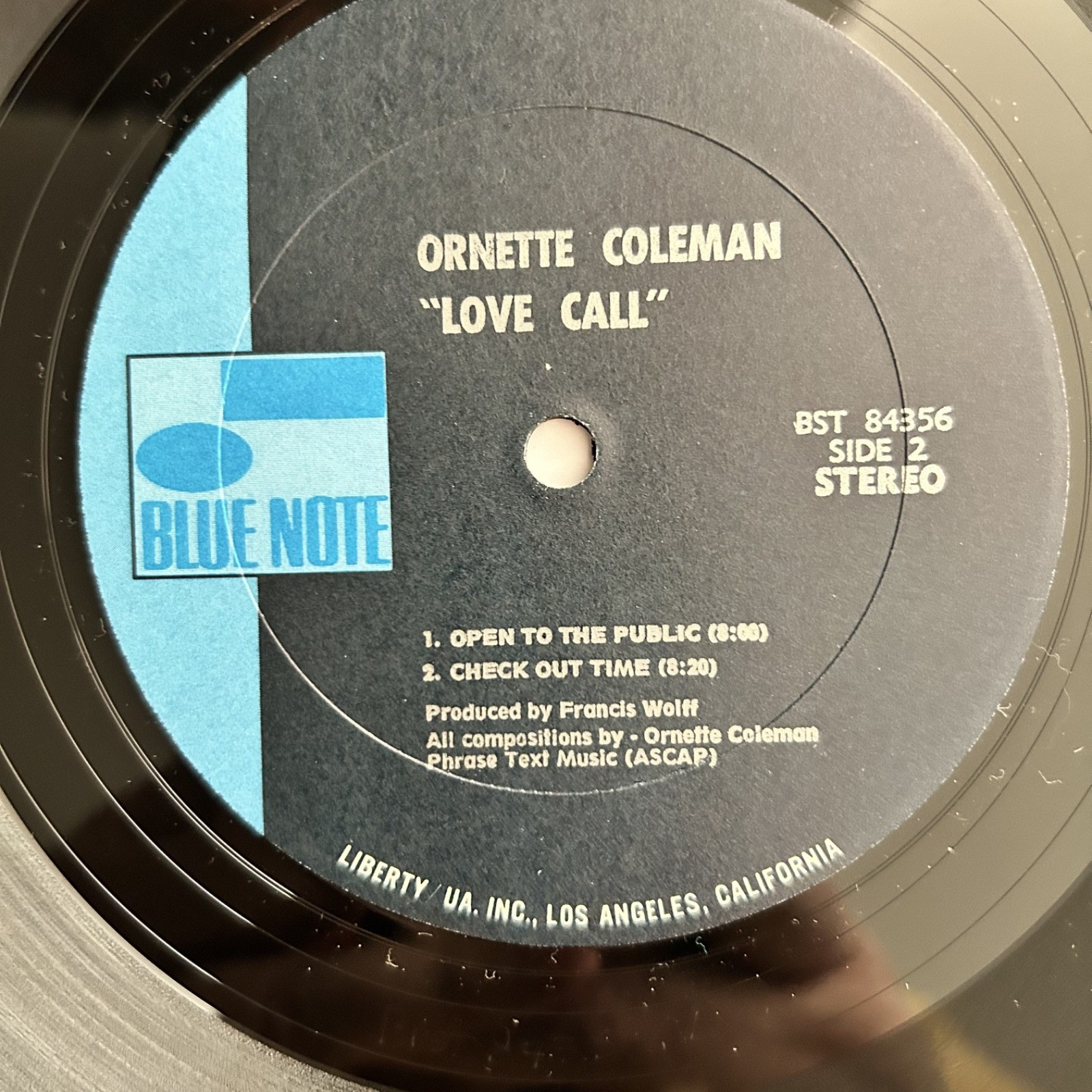
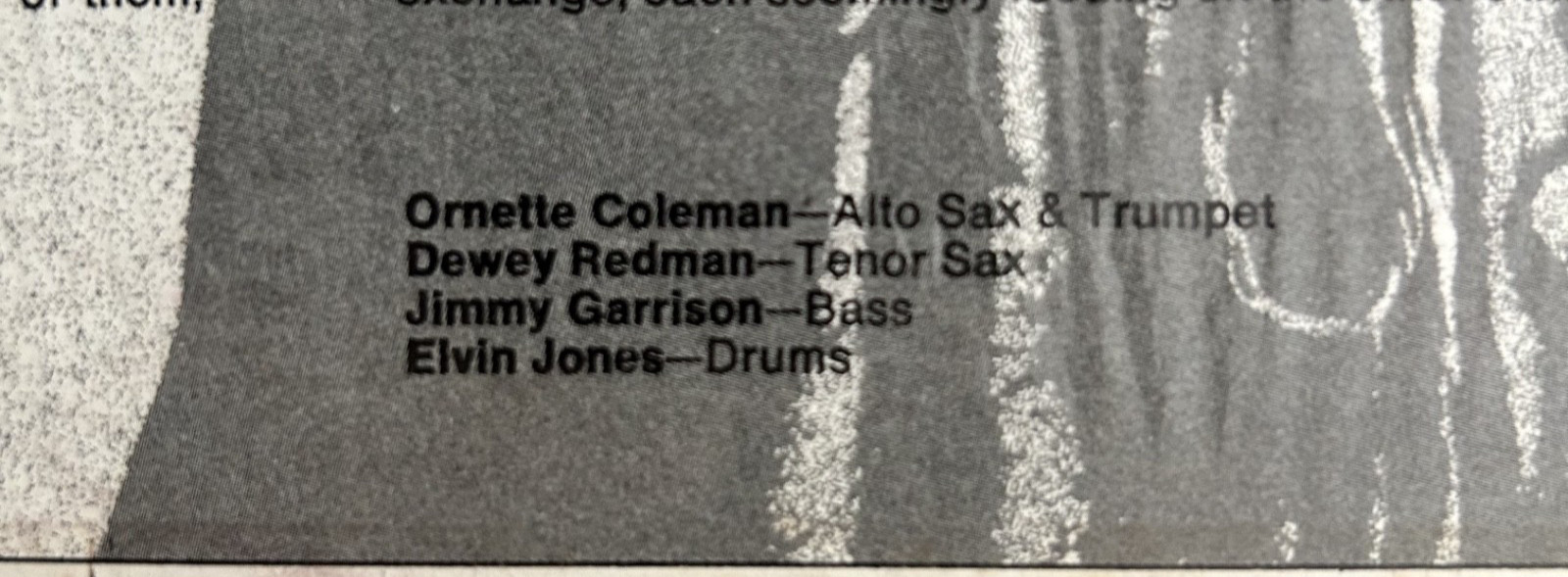
Ornette Coleman Love Call LP Blue Note BST 84356 1971 RVG Dewey Redman
$
33
Favourite Auctions
To save auctions to your favourites, please login
If you don't have an account, please register
Description
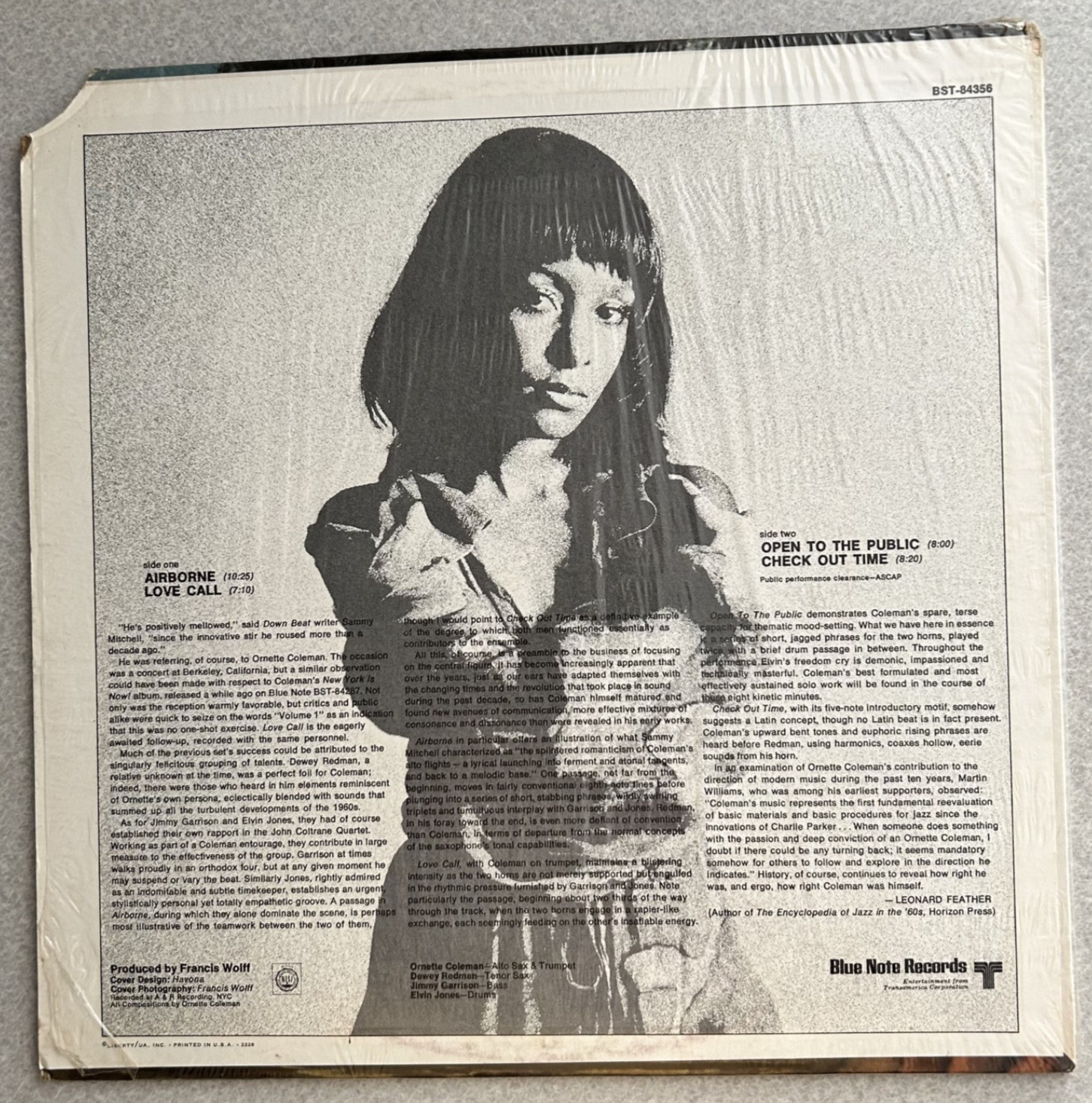
Ornette Coleman Love Call LP Blue Note BST 84356 1971 RVG Dewey Redman. Archival Sleeve
Recorded on April 29, 1968 (tracks A1, B1) and on May 7, 1968 (tracks A2, B2).
Love Call is an album by the American jazz saxophonist and composer Ornette Coleman recorded in 1968 and released on the Blue Note label
"The interplay between the two saxophonists was fierce, and the rhythm section, borrowed from John Coltrane, combined powerhouse swing with an ineffable gravitas. This feeling of greater grounded-ness is what makes New York is Now! and Love Call unique among Coleman’s discography, whether on Blue Note or otherwise; the tempos aren’t much slower than on his other mid ’60s albums, but they feel somehow heavier here, Jones driving the beat as Garrison strums his bass like a massive guitar. The two albums don’t even seem to exist as separate entities—they feel like two halves of a whole, the compositions all sharing the ebullience and, in their slower moments, the deep feeling of the blues that have marked Ornette’s music since the 1950s"
Randolph Denard Ornette Coleman (March 9, 1930 – June 11, 2015) was an American jazz saxophonist, trumpeter, violinist, and composer. He is best known as a principal founder of the free jazz genre, a term derived from his 1960 album Free Jazz: A Collective Improvisation. His pioneering works often abandoned the harmony-based composition, tonality, chord changes, and fixed rhythm found in earlier jazz idioms. Instead, Coleman emphasized an experimental approach to improvisation rooted in ensemble playing and blues phrasing. Thom Jurek of AllMusic called him "one of the most beloved and polarizing figures in jazz history," noting that while "now celebrated as a fearless innovator and a genius, he was initially regarded by peers and critics as rebellious, disruptive, and even a fraud."
price rating