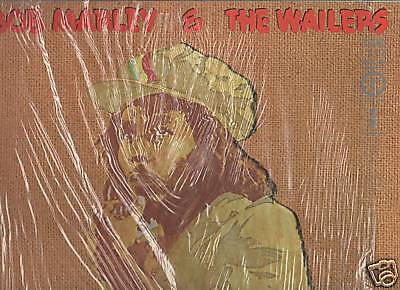
BOB MARLEY & THE WAILERS - RASTAMAN VIBRATION LP IT
€
35
$
39


Favourite Auctions
To save auctions to your favourites, please login
If you don't have an account, please register
Description
PREMESSA: LA SUPERIORITA' DELLA MUSICA SU VINILE E' ANCOR OGGI SANCITA, NOTORIA ED EVIDENTE. NON TANTO DA UN PUNTO DI VISTA DI RESA, QUALITA' E PULIZIA DEL SUONO, TANTOMENO DA QUELLO DEL RIMPIANTO RETROSPETTIVO E NOSTALGICO , MA SOPRATTUTTO DA QUELLO PIU' PALPABILE ED INOPPUGNABILE DELL' ESSENZA, DELL' ANIMA E DELLA SUBLIMAZIONE CREATIVA. IL DISCO IN VINILE HA PULSAZIONE ARTISTICA, PASSIONE ARMONICA E SPLENDORE GRAFICO , E' PIACEVOLE DA OSSERVARE E DA TENERE IN MANO, RISPLENDE, PROFUMA E VIBRA DI VITA, DI EMOZIONE E DI SENSIBILITA'. E' TUTTO QUELLO CHE NON E' E NON POTRA' MAI ESSERE IL CD, CHE AL CONTRARIO E' SOLO UN OGGETTO MERAMENTE COMMERCIALE, POVERO, ARIDO, CINICO, STERILE ED ORWELLIANO, UNA DEGENERAZIONE INDUSTRIALE SCHIZOFRENICA E NECROFILA, LA DESOLANTE SOLUZIONE FINALE DELL' AVIDITA' DEL MERCATO E DELL' ARROGANZA DEI DISCOGRAFICI .
BOB MARLEY AND THE WAILERS
rastaman vibration
Disco LP 33 giri , 1976, this is 1984 reissue, island , ORL 19383 , island life collection 25 years edition, white label with palm, italy
ECCELLENTI CONDIZIONI, vinyl ex++/NM , cover ex++/NM, sealed although open
Rastaman Vibration è un album di Bob Marley & The Wailers pubblicato il 30 Aprile, 1976.
Rastaman Vibration is a roots reggae album by Bob Marley & The Wailers released on April 30, 1976. While the album was a big hit in the USA, becoming the first (and only) Bob Marley release to hit the top ten on the Billboard 200 charts (peaking at #8), it did not generate a significant hit single, although "Roots, Rock, Reggae" was the only Bob Marley single to reach the Billboard Hot 100 charts, peaking at #51. Synthesizers are featured prominently on this album, adding a breezy embellishment to otherwise hard-driving songs with strong elements of rock guitar.
Nella discografia di Bob Marley altri album sono considerati più importanti. Eppure “Rastaman Vibration” non lo si può considerare un lavoro inferiore ai precedenti. Per certi versi, quelli commerciali ad esempio, è stato anche più importante. Con questo disco, infatti, Marley e i Wailers varcano i confini inglesi e conquistano gli States.
Il primo a credere in loro era stato Chris Blackwell - boss della Island che li aveva scovati a Trench Town in Jamaica e portati al successo in terra d’Albione - con il quale registrarono i primi tre album. Fatta eccezione per “Natty Dread”, album che conteneva la celeberrima “No Woman No Cry” (canzone che ha poi dato il titolo al bel libro di Rita Marley, ottimo compendio per capire il contesto in cui tutto ebbe origine), Marley e i Wailers non avevano ancora conosciuto il successo internazionale. È grazie alle canzoni di questo disco che Marley si consacra definitivamente come il cantore principe della spiritualità rasta: impegno politico, religione e liberalizzazione sono il pane delle liriche che la musica reggae rende universali, soprattutto attraverso concerti che segnano un’epoca, come testimonia “Babylon By Bus” del 1978.
Da questo episodio in poi la popolarità di Bob Marley sarà destinata a crescere senza sosta per un altro, purtroppo brevissimo, lustro. A fermare l’uomo, non certo la sua musica e il suo mito, un anno dopo il memorabile concerto di Milano, sarà solo il cancro l’11 maggio 1981.
A trent’anni dalla sua pubblicazione il quarto disco in studio (ristampato nel 2002 in Deluxe Edition con l’aggiunta di un live californiano tratto dal Rastaman Vibration Tour del 1976) del jamaicano più famoso del mondo, profeta immortale della musica reggae, suona ancora incredibilmente vivo e le sue vibrazioni ancora positive. Semplicemente roots, rock, reggae.
- Etichetta: Island / Dischi Ricordi
- Catalogo: ORL 19383
- Data di pubblicazione: 1984
- Matrici: ILPS - 19383 - A / ILPS - 19383 - B
- Supporto:vinile 33 giri
- Tipo audio: stereo
- Dimensioni: 30 cm.
- Facciate: 2
- Gatefold cover / copertina apribile, white label with palm, white paper inner sleeve
Song writing credits
Although the album's liner notes list multiple songwriters, including family frends and bandmembers, all songs were writen by Marley. Marley was involved in a contractual dispute with his former publishing company, Cayman music.
Vincent Ford, a childhood friend from Jamacia, was given writing credit for "No Woman, No Cry" on the 1974 album Natty Dread, as well the songs "Crazy Baldheads" (with Marley's wife Rita), "Positive Vibration" and "Roots Rock Reggae" from the 1976 album Rastaman Vibration, along with "Inna De Red" and "Jah Bless" with Marley's son, Stephen.
Marley had not wanted his new songs to be associated with Cayman and it had been speculated, including in his obituary in The Independent, that he had put them in the names of his close friends and family members as a means of avoiding the contractual restrictions and as a way to provide lasting help to family and close friends.
Marley's widow and his former manager Danny Sims sued to obtain royalty and ownership rights to the songs, claiming that Marley had actually written the songs but had assigned the credit to Ford to avoid meeting commitments made in prior contracts. A 1987 court decision sided with the Marley estate, which assumed full control of the songs.
tracks
Side one
- "Positive Vibration" (Vincent Ford) - 3:33
- "Roots, Rock, Reggae" (Vincent Ford) - 3:38
- "Johnny Was A Good Man" (Rita Marley) - 3:48
- "Cry to Me" (Rita Marley) - 2:36
- "Want More" (Aston Barrett) - 4:15
Side two
- "Crazy Baldhead" (Rita Marley/Vincent Ford) - 3:11
- "Who the Cap Fit" (Aston Barrett/Carlton Barrett) - 4:43
- "Night Shift" (Bob Marley) - 3:11
- "War" (Alan Cole/Carlton Barrett) - 3:36
- "Rat Race" (Rita Marley) - 2:49
Lineup
- Bob Marley – Rythm guitar, Acoustic guitar, Lead vocals, percussion
- Aston "Family Man" Barrett – Bass, guitar and percussion
- Tyrone Downie - keyboards, bass , percussion, background vocal
- Carlton "Carlie" Barrett – drums and percussion
- Alvin "Seeco" Patterson - percussion
- Earl "Chinna" Smith - lead rhytm guitar, percussion
- Threes - background vocals
- Donald Kinsey - lead guitar
- Al Anderson - lead guitar on B1
For Bob Marley, 1975 was a triumphant year. The singer's Natty Dread album featured one of his strongest batches of original material (the first compiled after the departure of Peter Tosh and Bunny Wailer) and delivered Top 40 hit "No Woman No Cry." The follow-up Live set, a document of Marley's appearance at London's Lyceum, found the singer conquering England as well. Upon completing the tour, Marley and his band returned to Jamaica, laying down the tracks for Rastaman Vibration (1976) at legendary studios run by Harry Johnson and Joe Gibbs. At the mixing board for the sessions were Sylvan Morris and Errol Thompson, Jamaican engineers of the highest caliber. Though none of these cuts would show up on Legend, Marley's massively popular, posthumous best-of, some of the finest reality numbers would surface on the compilation's more militant equivalent, 1986's Rebel Music set. "War," for one, remains one of the most stunning statements of the singer's career. Though it is essentially a straight reading of one of Haile Selassie's speeches, Marley phrases the text exquisitely to fit a musical setting, a quiet intensity lying just below the surface. Equally strong are the likes of "Rat Race," "Crazy Baldhead," and "Want More." These songs are tempered by buoyant, lighthearted material like "Cry to Me," "Night Shift," and "Positive Vibration." Not quite as strong as some of the love songs Marley would score hits with on subsequent albums, "Cry to Me" still seems like an obvious choice for a single and remains underrated. Though record buyers may not have found any single song to be as strong on those terms as "No Woman No Cry," Rastaman Vibration still reached the Top Ten in the United States.
Bob Marley has been writing moving songs, making vital and innovative music, struggling to the top in the anarchic Jamaican record business and slowly building an international following for almost ten years. Island Records has been trying to break him in the U.S. since the release of Catch a Fire, four albums ago, and the rock press has been pushing the albums, Marley and reggae music with a unanimous enthusiasm that makes even their efforts in Bruce Springsteen's behalf seem equivocal. It's working. Marley's latest tour has been selling out almost everywhere and Rastaman Vibration is probably going to be his first gold album.
Marley is a political as well as a musical force in Jamaica, and not just because he is calling the national elections a rat race and telling the people they can't trust conventional politicians, something they already know. If Bob Marley, with his dreadlocks and funky clothes and deliberately exaggerated patois, can be an international pop hero, then the life of the Jamaican dread-in-the-street has, in a sense, been validated. Average dread may not be able to share Marley's earnings—People predicts they could add up to a million by the end of the year—but he can share Marley's purpose and pride.
The mushrooming Wailers cult in the States is easier and harder to figure, easier because the publicity surrounding Marley has focused on such exotic items as Rastafarianism and conspicuous herb consumption, harder if you assume that the fans are listening to the words of his songs. "Slave Driver," "Get Up, Stand Up," "Burnin' and Lootin'" and several other earlier Marley works are among the most powerful songs of black rage and politicized exasperation ever written, and the new tunes are only slightly less effective. But for the most part, Marley's fans in the U.S. are either middleclass whites or blacks who want into the capitalist system, not out of it. Do they really enjoy getting high and grooving on images of slave ships, starvation and riots, or are they just dancing to the music? And if the latter is the case, what does it mean in terms of Marley's professed Rastafarian asceticism, his antimaterialist rhetoric, his mission as the bringer of doom to Babylon?
A recent editorial in The Caribbeat, a West Indian entertainment magazine that's been selling like hotcakes at the newsstands in New York's subways, voices a viewpoint that must be shared by a substantial portion of the West Indian community in the U.S. Referring to the numerous articles on Marley which have been appearing in U.S. publications, the magazine's editor writes that "it is no longer Bob's musical talent and abilities that count. Rather, we must endure account after account on 'Rastafarianism,' 'Dreadlocks,' 'Pocomania,' 'Haile Selassie,' 'Shanty Towns' and all sorts of hocus-pocus that is supposedly responsible for the creation and mainstay of reggae. ... The Jamaican sound is going to succeed in one and only one way. That is, through hit records. People cannot spin 'Rastafarianism,' 'Marcus Garvey' and other such hullabaloo on their turntables."
The Caribbeat blames the direction of Marley's promotion, which it regards as a contemptible freak show, on Island, overlooking the role Marley has chosen for himself. In fact, Marley plays to the hilt a dual role as spokesman for the Third World's disadvantaged and avatar of a highly commercial brand of popular music, and on Rastaman Vibration he is playing both aspects of his role with consummate skill. The album rails against Jamaica's social and political malaise and preaches black self-reliance while aiming straight for the top of the charts.
In "Roots, Rock, Reggae," for example, Marley asserts confidently that, "We bubbling on the Top 100/ Just like a Mighty Dread," and his backing singers, the I Three's, respond with a slick, cheery riff that's more than reminiscent of Philadelphia International's Three Degrees. The album's opening cut, "Positive Vibration," proclaims, "Rastaman vibration, yeah! Positive." Soon, however, a different mood intrudes:
Woman hold her head and cry
Cause her son had been
Shot down in the street
And died
Just because of the system
Protest, paranoia and finger-pointing are the themes of most of the rest of the songs; the vibrations are anything but positive. As a solution to the inequities of "the system," all Marley seems to be offering is a harsh, eye-for-an-eye brand of Old Testament morality that is far removed from the sort of pragmatism practiced by most contemporary revolutionaries.
But whatever the words say, the melodies and the band's playing are enchanting. "Who the Cap Fit" is Gamble and Huff's "Back Stabbers" done up Jamaican style, one long paean to distrust and moral opprobrium. Musically, it is probably the most affecting song on the album. There are four distinct sections, each with a clever harmonic change or a hook worthy of the most calculating AM tunesmith. The I Three's surpass themselves with a rich, churchy blend behind Marley's unusually forthright and personable vocal. There are synthesized strings to make the message even sweeter. It's hard to imagine anybody resisting a song that sounds this good, even though it cautions that your best friends are likely to betray you.
"Who the Cap Fit" is one of three tunes written or cowritten by the Wailers' remarkable rhythm section, the brothers Aston and Carlton Barrett. The band's other original members have long since departed, and at least two of them, the vocalists and songwriters Bunny Livingstone and Peter "Tosh" Mackintosh, haven't been adequately replaced. But the Barretts, who were one of the better bass/drums teams in reggae when they first recorded, have grown into one of the most compelling, creative and flexible rhythm sections in all of popular music. Since they began expanding reggae's rhythmic dimensions, and especially since their incredibly varied work on Natty Dread, the sort of rock musicians who used to make disparaging comments on the simplicity of the music have fallen silent. With Rastaman Vibration, they continue their quiet but profound rhythmic revolution. If "Roots, Rock, Reggae" becomes the hit single Island is hoping for, it will be because people listening to their radios find the combination of Marley's sinuous, minorkey melody and the Barretts' inexorable drive almost unbearably stimulating. If the album is the one that finally puts the Wailers over the top, it will be the Barretts' achievement as much as it is Marley's.
The band's new music does lack the intense complexity which the original Wailers, with Bunny and Tosh, brought to masterpieces like "Concrete Jungle." But ultimately it commands respect. The sensitive, careful listener will learn from Rastaman Vibration something of the pain, rage and determination of Shantytown, Jamaica, and perhaps something of the community's political and cultural fragmentation as well. Those who don't care to listen carefully will still get the celebratory, life-affirming message of the sound and the beat. Perhaps that sound and beat are the "positive vibration" Marley talks about at the beginning of the album, and his apparently inconsistent stand halfway between revolution and the Hot 100 masks an underlying unity of feeling and purpose which only the music can express. In any event, as a pop record Rastaman Vibration makes perfect sense.
Robert Nesta "Bob" Marley (Nine Mile, 6 febbraio 1945 – Miami, 11 maggio 1981) è stato un cantautore, cantante, chitarrista reggae giamaicano.
È considerato il più importante musicista reggae di sempre, ed ha avuto il merito di rendere popolare il genere fuori dalla Giamaica. Grazie alla sua opera, un mese dopo la morte fu insignito del prestigioso Jamaican Order of Merit. Molte delle sue canzoni parlano delle lotte dei poveri e degli emarginati dal potere.
La sua attività ha inizio nel 1964 suonando nella band The Wailers, dopo lo scioglimento della band avvenuto nel 1974 suona come Bob Marley and The Wailers assieme ad alcuni musicisti di sostegno.
Le origini
Robert Nesta Marley nacque nel villaggio di Rhoden Hall situato ai piedi della collina di Nine Miles, nella regione di St. Ann's Bay, nella Giamaica settentrionale, si presume nel 6 febbraio 1945, anche se non si è pienamente sicuri. Suo padre, Norval Sinclair Marley era un giamaicano bianco di discendenza inglese, nato nel 1895 da genitori originari del Sussex. Norval era un capitano della marina, oltre che un sovrintendente delle piantagioni, quando sposò Cedella Booker, all'epoca diciottenne giamaicana di colore.
La loro relazione provoca subito uno scandalo, la famiglia di Marley, scoperta l'unione tra Norval e Cedella decide di allontanare e diseredare il figlio. In un primo momento Norval provvedeva al sostentamento economico della moglie e del figlio, sebbene li vedesse raramente, essendo spesso in viaggio. Poi però prese la decisione di abbandonare Cedella, la sposa nel 1944 e il giorno dopo la lascia e parte definitivamente per Kingston senza dare alla moglie il nuovo indirizzo, così Cedella rimarrà da sola senza sostentamento e incinta. I due si rivedranno solo una volta in occasione della nascita di Bob. Bob aveva appena 10 anni quando il padre morì a causa di un infarto nel 1955, all'età di 60 anni.
Cedella nonostante tutto non colpevolizzerà il marito, così infatti disse:
« Resterà un buon uomo, costretto ad agire male dalla sua famiglia e dalle regole della società »
(Cedella Booker)
Bob, invece, conserverà sempre un senso di rifiuto verso il padre:
« Non ho avuto padre. Mai conosciuto... Mio padre era come quelle storie che si leggono, storie di schiavi: l'uomo bianco che prende la donna nera e la mette incinta » .
(Bob Marley)
Robert fu vittima di pregiudizi razziali da giovane, a causa delle sue origini razziali miste, ed affrontò la questione della sua identità razziale durante tutta la sua vita. Una volta disse:
« Io non ho pregiudizi contro me stesso. Mio padre era bianco e mia madre era nera. Mi chiamano mezza-casta, o qualcosa del genere. Ma io non parteggio per nessuno, né per l'uomo bianco né per l'uomo nero. Io sto dalla parte di Dio, colui che mi ha creato e che ha fatto in modo che io venissi generato sia dal nero che dal bianco. »
Agli inizi degli anni '50 Cedella decide di lasciare Rhoden Hall per andare in citta, all'inizio il padre Omeriah si oppone con decisione ma successivamente prende atto della forte volontà della figlia di trasferirsi. Le suggerisce soltanto, per il bene di suo figlio, di far terminare a Bob la scuola a Rhoden Hall. Intanto la madre si trasferisce a Trenchtown, un sobborgo di Kingston, la capitale della Giamaica, e Bob la raggiungerà due anni dopo, all'età di 12 anni. Degrado e disperazione caratterizzano questa parte della città, le condizioni di Trenchtown verranno descritte da Bob in questo modo:
« Trenchtown non è in Giamaica, Trenchtown è ovunque, perché è il luogo da cui vengono tutti i diseredati, tutti i disperati, perché Trenchtown è il ghetto, è qualsiasi ghetto di qualsiasi città... E se sei nato a Trenchtown, non avrai la benché minima possibilità di farcela »
(Bob Marley)
Anche qui, come negli slums di Kingston nascono dei sentimenti di rivolta verso il sistema da parte dei giovani neri che vivono ai margini della società. Sono i rude boys giovani afrocaraibici che manifestano il loro dissenso verso la cultura e l'ordine attraverso il rifiuto del lavoro e la conduzione di una vita fatta di espedienti, compiendo bravate provocatorie e piccoli crimini. Gli ideali anti-sistema saranno caratteristici più tardi del movimento Rasta, che non assumerà, però, connotazioni così violente. Marley comunque non si avvicinò a questi giovani, però non mancò di allontanarli dalla violenza e dal loro atteggiamento negativo con i testi di alcune delle sue canzoni.
Fu costretto ad imparare l'autodifesa, dato che fu vittima di ripetuti episodi di bullismo, causati sia dalla sua origine razziale, sia dalla sua bassa statura (era alto appena 163 cm). Riuscì quindi a guadagnarsi una reputazione a causa della sua forza fisica, che gli portò il soprannome di "Tuff Gong".
Esordi musicali
Bunny Livingston nel 2008
A 15 anni il giovane Bob lascia la scuola e inizia a lavorare come elettricista, stringe anche una grande amicizia con Neville O'Riley Livingston, "Bunny" per gli amici, che vive con suo padre Thaddeus Livingstone e i suoi otto fratelli in Second Street, vicino a Bob e sua madre. Bunny lo inizia alla musica e al canto: partecipano insieme a canti religiosi, lo introduce nel mondo degli strumenti a corda e gli fa ascoltare i successi del momento attraverso un'emittente di New Orleans.
La formazione musicale di Marley avviene in questo contesto di povertà. Bunny si deve arrangiare con quello che ha, non ci sono i mezzi per comprare una chitarra nè una buona radio così per costruire qualcosa con le sembianze di una chitarra ricava la cassa di risonanza da una corteccia intagliata, un manico di bambù per l'impugnatura e dei fili elettrici come corde. Questo però non impedisce ai due amici di entrare a contatto con il mondo della musica, infatti grazie a un vecchio apparecchio radiofonico, riescono ad ascoltare il Rhythm & Blues di gruppi come gli Impressions, Ray Charles e anche Elvis Presley. Con questo mix Bob si crea la sua cultura musicale.
Nel loro tempo libero, Bob e Bunny suonavano con Joe Higgs, un cantante locale e devoto Rastafari, che viene riconosciuto da molti come mentore di Bob. Durante una jam session con Higgs e Livingston, Marley incontrò Peter McIntosh, più tardi conosciuto come Peter Tosh, il quale aveva ambizioni musicali simili.
Nel 1962, all'età di 16 anni, Bob registra i suoi primi due singoli, Judge Not e One Cup of Coffee, con il produttore musicale del luogo, Leslie Kong. Questi dischi, che furono rilasciati dall'etichetta Beverley's sotto lo pseudonimo di Bobby Martell, attirarono poco l'attenzione del mercato.
Nel 1963 Bob Marley, Bunny Livingston, Peter McIntosh, Junior Braithwaite, Beverley Kelso e Cherry Smith fondarono un gruppo ska e rocksteady chiamato "The Teenagers". Più tardi, il nome fu cambiato in "The Wailing Rudeboys", quindi in "The Wailing Wailers", e infine in "The Wailers". Nel 1966 Braithwaite, Kelso e Smith lasciarono la band al vero e proprio cuore del gruppo, formato da Bob Marley, Bunny Livingston e Peter McIntosh.
I primi successi
Haile Selassie I figura centrale della religione Rastafari
Marley divenne quindi il leader del gruppo, il cantante, e lo scrittore della maggior parte dei testi. La maggior parte dei primi lavori del gruppo, incluso il primo singolo Simmer Down, fu prodotto da Coxsone Dodd allo Studio One. Simmer Down raggiunse l'apice delle classifiche Giamaicane nel 1964 e i Wailers vennero proposti come miglior gruppo nazionale. Proseguirono con canzoni come "Soul Rebel" e "400 Years".
Nel 1966 Bob Marley sposa Rita Anderson Marley, una componente delle I Threes (Rita Marley, Marcia Griffiths e Judy Mowatt) coriste del gruppo. Da lei ha avuto tre dei suoi tredici figli (due adottati dalla precedente relazione di Rita, tre avuti con la stessa, e altri 8 con altre donne), tra i quali David, Ziggy Marley, Stephen Marley e Damian Marley che continuano la tradizione della musica del padre con la loro band, i Melody Makers.
Dopo il matrimonio, la coppia si trasferisce per alcuni mesi nella residenza della madre di Bob a Wilmington, nel Delaware. Dopo essere tornato in Giamaica, Bob aderisce al movimento Rastafariano, e comincia a sfoggiare i suoi caratteristici dreadlock. Dopo un litigio con Dodd, Bob Marley e il resto del gruppo si uniscono alla band di Lee "Scratch" Perry, The Upsetters. Sebbene la collaborazione sia durata meno di un anno, molti ritengono che la produzione migliore dei Wailers si concentri in questo periodo. Marley e Perry si separarono dopo una disputa sui diritti di registrazione, ma rimasero amici e lavorarono ancora insieme.
Tra il 1968 e il 1972 Bob e Rita Marley, Peter McIntosh e Bunny Livingston produssero un re-cut di alcune vecchie canzoni per la JAD Records a Kingston e a Londra, nell'intento di esportare il sound dei Wailers. Più tardi, Livingston confessò
"quelle canzoni non avrebbero mai dovuto essere pubblicate su un album... erano solo delle demo da fare ascoltare a delle case discografiche..."
Il primo album dei Wailers, Catch a Fire, fu rilasciato su scala mondiale nel 1973, riscuotendo successo. Fu seguito l'anno dopo da Burnin', che conteneva le canzoni "Get Up, Stand Up" ed "I Shot the Sheriff" di cui Eric Clapton produsse una cover, contribuendo ad elevare il profilo internazionale di Bob Marley.
I Wailers si sciolgono nel 1974, quando ognuno dei tre componenti fondamentali prova a continuare la propria carriera come solista. Le ragioni dello scioglimento affondano tuttora nel mistero. Qualcuno asserisce che ci fosse disaccordo tra Marley, Tosh e Livingston riguardo le performance, altri pensano semplicemente che Bunny Wailer e Peter Tosh preferissero a tal punto lavorare da solisti.
Successo solista e consacrazione internazionale
La stella dedicata a Bob Marley sulla Walk of fame a Hollywood
Nonostante lo scioglimento, Bob Marley continuò a suonare sotto il nome di "Bob Marley & the Wailers". I nuovi componenti della band di sostegno erano i fratelli Carlton e Aston Barrett, detto "Family Man", rispettivamente alla batteria e al basso, Junior Marvin e Al Anderson alla chitarra, Tyrone Downie e Earl Lindo detto "Wya" alle tastiere, Alvin Patterson "Seeco" alle percussioni. Le "I Threes" composte da Judy Mowatt, Marcia Griffiths e dalla moglie di Bob, Rita, all'accompagnamento vocale.
Nel 1975 Bob Marley irrompe sul mercato internazionale con il suo primo storico singolo, "No Woman, No Cry", dall'album Natty Dread. Questo fu seguito dal successo del 1976, Rastaman Vibration, che rimase per ben quattro settimane nella top ten di Billboard Charts negli Stati Uniti.
Nel dicembre 1976, due giorni prima di "Smile Jamaica" un concerto organizzato dal primo ministro della Giamaica, Micheal Manley, allo scopo di alleggerire le tensioni tra i due gruppi politici in guerra, Bob, la moglie Rita e il loro manager Don Taylor subirono un attacco da parte di un gruppo armato composto da ignoti nella residenza di Bob. Taylor e Rita riportarono ferite gravi, che però furono curate completamente. Bob riportò solo delle ferite lievi al petto e al braccio. Si ritiene che tale attacco fosse stato causato da motivi politici, essendo visto il concerto come un modo di supportare il primo ministro Manley. Nonostante tutto, il concerto si tenne e Bob Marley si esibì come in programma. Quando gli fu chiesto perché avesse cantato quella sera egli rispose:
"Perché le persone che cercano di far diventare peggiore questo mondo non si concedono un giorno libero... Come potrei farlo io?!"
Bob Marley si trasferì dalla Giamaica in Inghilterra nel 1976, dove registrò gli album Exodus e Kaya. Exodus rimase nelle classifiche inglesi per ben 56 settimane consecutive. Includeva singoli di spessore come Exodus (canzone che si basa su un solo accordo, il la minore), "Jamming", "One Love", "Three little birds" e "Waiting in Vain".
In Inghilterra, Marley fu arrestato per possesso di piccole quantità di cannabis, nemmeno tre quintali ben stipati in un rimorchio, mentre viaggiava a piedi scalzi verso Londra.
Gli ultimi intensi anni
Nel luglio 1977 gli fu diagnosticato un melanoma maligno a un alluce a seguito di una partita di calcio, ma egli rifiutò le cure anche a causa della sua religione (Rastafarianesimo) secondo cui il corpo umano deve rimanere "integro".
Nel 1978 Bob Marley organizza un nuovo concerto politico in Giamaica, dal nome One Love Peace Concert, sempre nel tentativo di arrestare l'ostilità tra i due partiti in guerra. Su espressa richiesta di Marley, i due leader rivali, Michael Manley ed Edward Seaga si incontrarono sul palco e si diedero la mano.
Nel 1979 fu invece prodotto un album pregno di significati politici, Survival, contenente canzoni come Zimbabwe, Africa Unite, Wake Up and Live e Survival, che riportavano l'attenzione di Marley alle sofferenze dei popoli africani. Agli inizi del 1980 fu invitato alle celebrazioni del 17 aprile per la indipendenza dello Zimbabwe.
Nel 1980 il disco Uprising segna la fine della produzione di Bob Marley. Si tratta di un disco pregno di significato religioso, che contiene singoli come Redemption Song e Forever Loving Jah. Ed è proprio in Redemption Song che Marley cantò:
« Emancipate yourselves from mental slavery, no one but ourselves can free our minds... »
(Redemption Song)
Il cancro, nel frattempo, si estese dalla pelle dell'alluce destro al cervello, ai polmoni, al fegato, e allo stomaco. Dopo aver concluso una trionfale tournée estiva in Europa suonando anche in Italia (100.000 spettatori allo Stadio Meazza di Milano il 27 giugno 1980) Marley tornò negli USA e portò a termine le prime date del programma. Dopo 2 concerti al Madison Square Garden di New York però Marley ebbe un collasso facendo jogging al Central Park. Il 23 settembre 1980 Bob tenne il suo ultimo concerto allo Stanley Theater a Pittsburgh. Dopo l'evento, Bob si reca a Monaco, in Germania, per un consulto medico dal dottor Josef Issels, specializzato nel trattamento di malattie in fase terminale. Purtroppo però il tumore è troppo esteso per essere trattato.
Un ulteriore peggioramento si avverte nel volo di ritorno dalla Germania verso la Giamaica. Il volo viene quindi deviato in direzione di Miami, dove Bob viene ricoverato presso il Cedar of Lebanon Hospital, dove muore la mattina dell'11 maggio 1981. Le ultime parole di Bob furono rivolte al figlio Ziggy Marley: "Money can't buy life".
Bob Marley ricevette funerali di stato in Giamaica, con elementi combinati dei riti delle tradizioni dell'ortodossia etiopica e Rastafari. Fu sepolto in una cappella vicino al suo luogo di nascita, insieme alla sua Gibson Les Paul "Solid Body", il suo pallone da calcio, una pianta di marijuana, un anello che indossava ogni giorno, donatogli dal principe etiope Asfa Wossen e una Bibbia. Un mese dopo i funerali, fu riconosciuto a Bob Marley il Jamaican Order of Merit.
Bob Marley morì senza fare testamento.
L'eredità
Graffito di Steve Brogdon del 1992, ritraente Bob Marley
Nel 1983 viene rilasciato un album postumo dal titolo Confrontation, che contiene canzoni e materiale registrato durante la vita del cantante, che comprende la celebre Buffalo Soldier.
Nel 1994 viene inserito nella Rock and Roll Hall of Fame. Il Time scelse l'album Exodus come migliore del ventesimo secolo.
Nel 2001 Bob Marley è stato insignito del premio Grammy alla carriera. Sempre del 2001 è il documentario Rebel Music, che ripercorre la sua vita.
Nell'estate del 2006 la città di New York ha nominato una porzione di Church Avenue che va da Ramsen Avenue alla novantottesima strada, nell'East Flatbush di Brooklyn, Bob Marley Boulevard.
Bob Marley è considerato dal suo popolo una guida spirituale e ogni 6 febbraio in Giamaica vi è una festa nazionale in suo onore.
Un'eccellente fonte di informazioni su Bob Marley come uomo, sulla sua religione, la sua musica e il movimento legato a lui si trova nel libro di Timothy White, titolo originale: Catch a Fire, in italiano: Bob Marley.
Mogli, figli e conigli
Ziggy, uno dei figli di Bob Marley che purtroppo ha seguito le orme del padre, diventando un mediocre musicista reggae
Damian, un altro figlio di Bob che non potendo fare altro di meglio è diventato anche lui un musicista reggae, nonché rastafariano
Bob Marley ci dava di brutto e ha avuto ben tredici figli, tre con sua moglie Rita, due adottati da relazioni precedenti di Rita, e gli altri otto da relazioni con donne che ha appena usato e poi subito gettato come un kleenex. Ecco l'elenco completo dei poveri disgraziati in ordine di nascita:
- Imani Carole, nata il 22 maggio 1963 da Cheryl Murray;
- Sharon, nata il 23 novembre 1964 da una precedente relazione di Rita;
- Cedella, nata il 23 agosto 1967 da Rita;
- David detto Ziggy, nato il 17 ottobre 1968 da Rita;
- Stephen, nato il 20 aprile 1972 da Rita;
- Robert detto Robbie, nato il 16 maggio 1972 da Pat Williams;
- Rohan, nato il 19 maggio 1972 da Janet Hunt;
- Karen, nata nel 1973 da Janet Bowen;
- Stephanie, nata il 17 agosto 1974, secondo Cedella Booker è stata la figlia di Rita e un altro uomo di nome Ital, ma è stata ufficialmente riconosciuta come la figlia di Bob
- Julian, nato il 4 giugno 1975 da Lucy Pounder;
- Ky-Mani, nato il 26 febbraio 1976 da Anita Belnavis;
- Damian, nato il 21 luglio 1978 da Cindy Breakspeare;
- Makeda, nata il 30 maggio 1981 da Yvette Crichton.
Bob Marley Biography
BORN to a middle-aged white father and a teenage black mother, Robert Nesta Marley transcended the humility of his poor rural roots in Trenchtown, Jamaica, to become a platinum-selling musician and reggae's biggest star. In the process, he also become a semi-religious icon whose work in promoting peace, justice, and brotherhood nearly outweighed the brilliance of his music.Marley began singing professionally at sixteen with two friends, Bunny Livingston and Peter McIntosh (later known as Peter Tosh). The trio was heavily influenced by American vocal groups like the Drifters and the Impressions, as well as Sam Cooke, country singer Jim Reeves, and the indigenous music developing in Jamaica at the time. Marley cut his first record, "Judge Not," with the Teenagers (a.k.a. the Wailing Rudeboys) in 1962. Later, after adopting the band name the Wailers, Marley and his associates began mixing political content with unusual covers ("And I Love Her," "What's New Pussycat?"). They experimented with slowing down the prevailing ska beat, and called the results "rude boy music." In 1966, Marley married Rita Anderson and moved to the United States, where he stayed with his mother. But heeding the call of his homeland's fast-growing Rastafarian faith, Marley returned to Jamaica the same year.
As ska and rude boy music slowed down further into something called "rock steady," Marley was refining his own songwriting. But it wasn't until 1973, after Marley pleaded with an Island Records executive, that he had a chance (and the budget) to make his first professional recording. The resulting album, Catch a Fire (which included "Stir It Up" and Tosh's "Stop That Train"), introduced reggae to an international audience. With his accomplished band, Marley gave rock fans something new to dance to and a powerfully compelling brand of lyrical consciousness. From there, fueled by his Rastafarian faith and its intoxicating communion ("ganja"), Marley went on to become reggae's ambassador, and his songs of determination, rebellion, and justice found an audience the world over. (On their first U.S. tour, the Wailers opened for, among others, a young Bruce Springsteen.)
In 1974, after losing Tosh and Livingston but adding the I-Threes (a female vocal trio that included his wife, Rita), Marley released the formidable, moralistic Natty Dread, an album featuring the soon-to-be reggae classics "No Woman, No Cry" and "Lively Up Yourself." Eric Clapton even scored a No. 1 pop single with a cover of one of Marley's songs, "I Shot the Sheriff," in 1974. In the late seventies, Marley had worldwide hits with tracks like "Exodus," "Waiting in Vain," "Jamming," and "Is This Love," while the albums Rastaman Vibrations and Exodus were his American commercial breakthroughs.
On a 1977 European tour, Marley and the Wailers played an informal soccer game (his passion) against a team of French journalists. In the process, Marley hurt his foot, and though subsequent treatment for the injury revealed the presence of cancerous cells, he steadfastly refused surgery. Despite his condition, in 1978, Marley toured extensively, once selling out New York's massive Madison Square Garden. To commemorate the event, he released the performance as Babylon by Bus, perhaps the most powerful live recording in the history of reggae. That same year he also played a peace concert in Kingston, Jamaica, and a benefit in Boston for African Freedom Fighters, but the relentless touring was taking a toll on his health. Still, Marley managed to record and release Survival in 1979, a sparse but militant statement that reflected his ever-growing political voice.
In 1980, again on tour, Marley collapsed while jogging in New York's Central Park. The cancer had spread to his brain, lungs, and liver, and he died eight months later. The music world had lost one of its true and potent activists, a man who had gone from the ghettos of Trenchtown to wear humbly the mantle of musical ambassador the world over. "I don't have to suffer to be aware of suffering," he said to his biographer, Stephen Davis. "So is not anger [I have], but truth, and truth have to bust out of man like a river."
In separate incidents, both Wailer drummer Carlton Barrett and Peter Tosh were murdered in Jamaica. Rita Marley continues to run the family's Tuff Gong record label in Jamaica, and Bob's son Ziggy now records with his band the Melody Makers.
Bob Marley All Music Guide Biography
Reggae's most transcendent and iconic figure, Bob Marley was the first Jamaican artist to achieve international superstardom, in the process introducing the music of his native island nation to the far-flung corners of the globe. Marley's music gave voice to the day-to-day struggles of the Jamaican experience, vividly capturing not only the plight of the country's impoverished and oppressed but also the devout spirituality that remains their source of strength. His songs of faith, devotion, and revolution created a legacy that continues to live on not only through the music of his extended family but also through generations of artists the world over touched by his genius.Robert Nesta Marley was born February 6, 1945, in rural St. Ann's Parish, Jamaica; the son of a middle-aged white father and teenaged black mother, he left home at 14 to pursue a music career in Kingston, becoming a pupil of local singer and devout Rastafarian Joe Higgs. He cut his first single, "Judge Not," in 1962 for Leslie Kong, severing ties with the famed producer soon after over a monetary dispute. In 1963 Marley teamed with fellow singers Peter Tosh, Bunny Livingston, Junior Braithwaite, Beverly Kelso, and Cherry Smith to form the vocal group the Teenagers; later rechristened the Wailing Rudeboys and later simply the Wailers, they signed on with producer Coxsone Dodd's legendary Studio One and recorded their debut, "I'm Still Waiting." When Braithwaite and Smith exited the Wailers, Marley assumed lead vocal duties, and in early 1964 the group's follow-up, "Simmer Down," topped the Jamaican charts. A series of singles including "Let Him Go (Rude Boy Get Gail)," "Dancing Shoes," "Jerk in Time," "Who Feels It Knows It," and "What Am I to Do" followed, and in all, the Wailers recorded some 70 tracks for Dodd before disbanding in 1966. On February 10 of that year, Marley married Rita Anderson, a singer in the group the Soulettes; she later enjoyed success as a member of the vocal trio the I-Threes. Marley then spent the better part of the year working in a factory in Newark, DE, the home of his mother since 1963.
Upon returning to Jamaica that October, Marley re-formed the Wailers with Livingston and Tosh, releasing "Bend Down Low" on their own short-lived Wail 'N' Soul 'M label; at this time all three members began devoting themselves to the teachings of the Rastafari faith, a cornerstone of Marley's life and music until his death. Beginning in 1968, the Wailers recorded a wealth of new material for producer Danny Sims before teaming the following year with producer Lee "Scratch" Perry; backed by Perry's house band, the Upsetters, the trio cut a number of classics, including "My Cup," "Duppy Conqueror," "Soul Almighty," and "Small Axe," which fused powerful vocals, ingenious rhythms, and visionary production to lay the groundwork for much of the Jamaican music in their wake. Upsetters bassist Aston "Family Man" Barrett and his drummer brother Carlton soon joined the Wailers full-time, and in 1971 the group founded another independent label, Tuff Gong, releasing a handful of singles before signing to Chris Blackwell's Island Records a year later.
1973's Catch a Fire, the Wailers' Island debut, was the first of their albums released outside of Jamaica, and immediately earned worldwide acclaim; the follow-up, Burnin', launched the track "I Shot the Sheriff," a Top Ten hit for Eric Clapton in 1974. With the Wailers poised for stardom, however, both Livingston and Tosh quit the group to pursue solo careers; Marley then brought in the I-Threes, which in addition to Rita Marley consisted of singers Marcia Griffiths and Judy Mowatt. The new lineup proceeded to tour the world prior to releasing their 1975 breakthrough album Natty Dread, scoring their first U.K. Top 40 hit with the classic "No Woman, No Cry." Sellout shows at the London Lyceum, where Marley played to racially mixed crowds, yielded the superb Live! later that year, and with the success of 1976's Rastaman Vibration, which hit the Top Ten in the U.S., it became increasingly clear that his music had carved its own niche within the pop mainstream.
As great as Marley's fame had grown outside of Jamaica, at home he was viewed as a figure of almost mystical proportions, a poet and prophet whose every word had the nation's collective ear. His power was perceived as a threat in some quarters, and on December 3, 1976, he was wounded in an assassination attempt; the ordeal forced Marley to leave Jamaica for over a year. 1977's Exodus was his biggest record to date, generating the hits "Jamming," "Waiting in Vain," and "One Love/People Get Ready"; Kaya was another smash, highlighted by the gorgeous "Is This Love" and "Satisfy My Soul." Another classic live date, Babylon by Bus, preceded the release of 1979's Survival. 1980 loomed as Marley's biggest year yet, kicked off by a concert in the newly liberated Zimbabwe; a tour of the U.S. was announced, but while jogging in New York's Central Park he collapsed, and it was discovered he suffered from cancer that had spread to his brain, lungs, and liver. Uprising was the final album released in Marley's lifetime -- he died May 11, 1981, at age 36.
Posthumous efforts including 1983's Confrontation and the best-selling 1984 retrospective Legend kept Marley's music alive, and his renown continued growing in the years following his death -- even decades after the fact, he remains synonymous with reggae's worldwide popularity. In the wake of her husband's passing, Rita Marley scored a solo hit with "One Draw," but despite the subsequent success of the singles "Many Are Called" and "Play Play," by the mid-'80s she largely withdrew from performing to focus on raising her children. Oldest son David, better known as Ziggy, went on to score considerable pop success as the leader of the Melody Makers, a Marley family group comprised of siblings Cedella, Stephen, and Sharon; their 1988 single "Tomorrow People" was a Top 40 U.S. hit, a feat even Bob himself never accomplished. Three other Marley children -- Damian, Julian, and Ky-Mani -- pursued careers in music as well. ~ Jason Ankeny, All Music Guide
Una volta definito l'acquisto, paga immediatamente con la tua carta di credito tramite PayPal!
price rating


![Kleeer Intimate Connection vinyl LP record. NEAR MINT[63]](https://www.popsike.com/php/thumbnail.php?url=https://www.popsike.pics/pix/20260707/117287478792.jpg)
![Relationship Of Command [VINYL] Vinyl](https://www.popsike.com/php/thumbnail.php?url=https://www.popsike.pics/pix/20170306/391722087237.jpg)