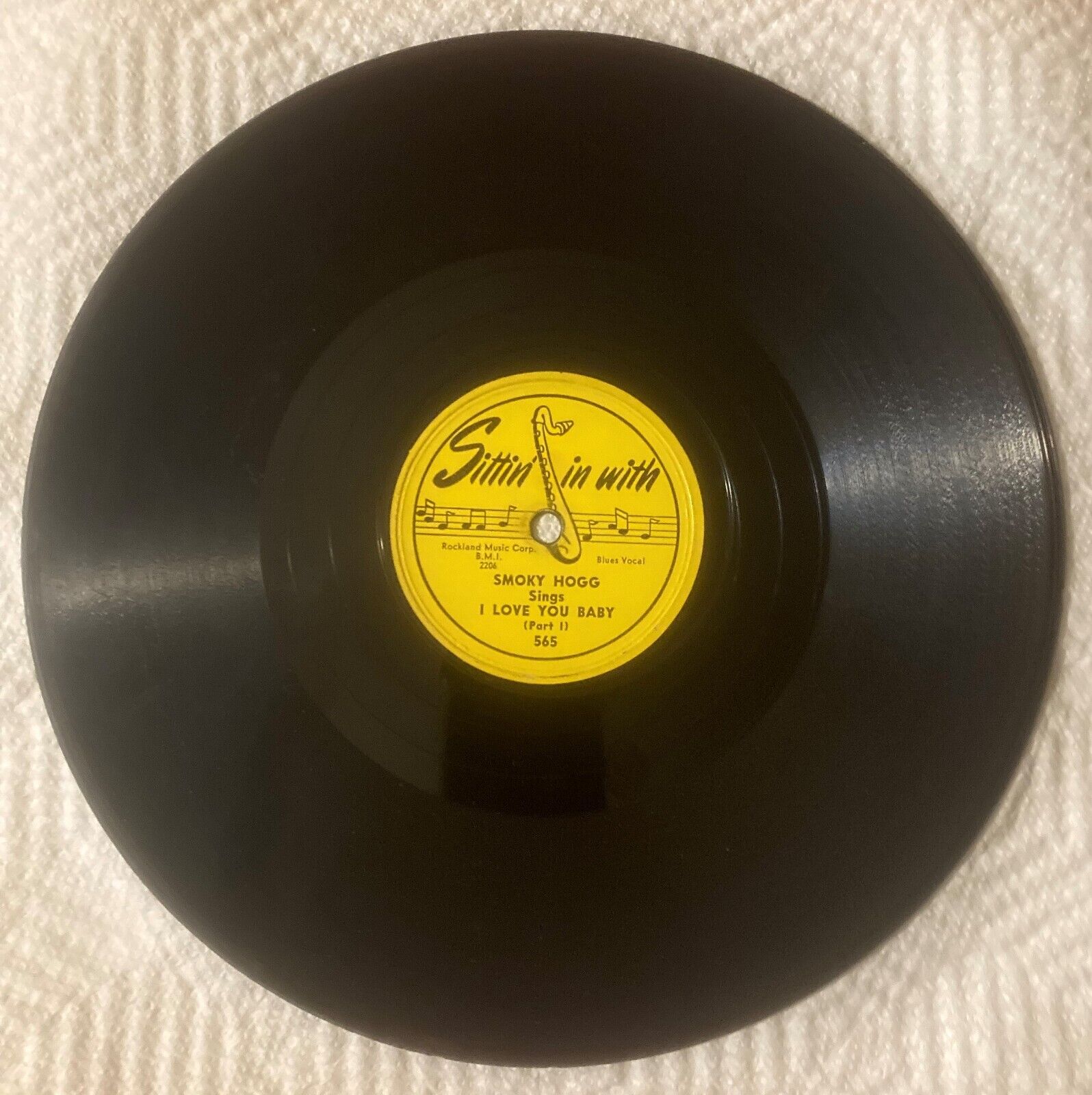
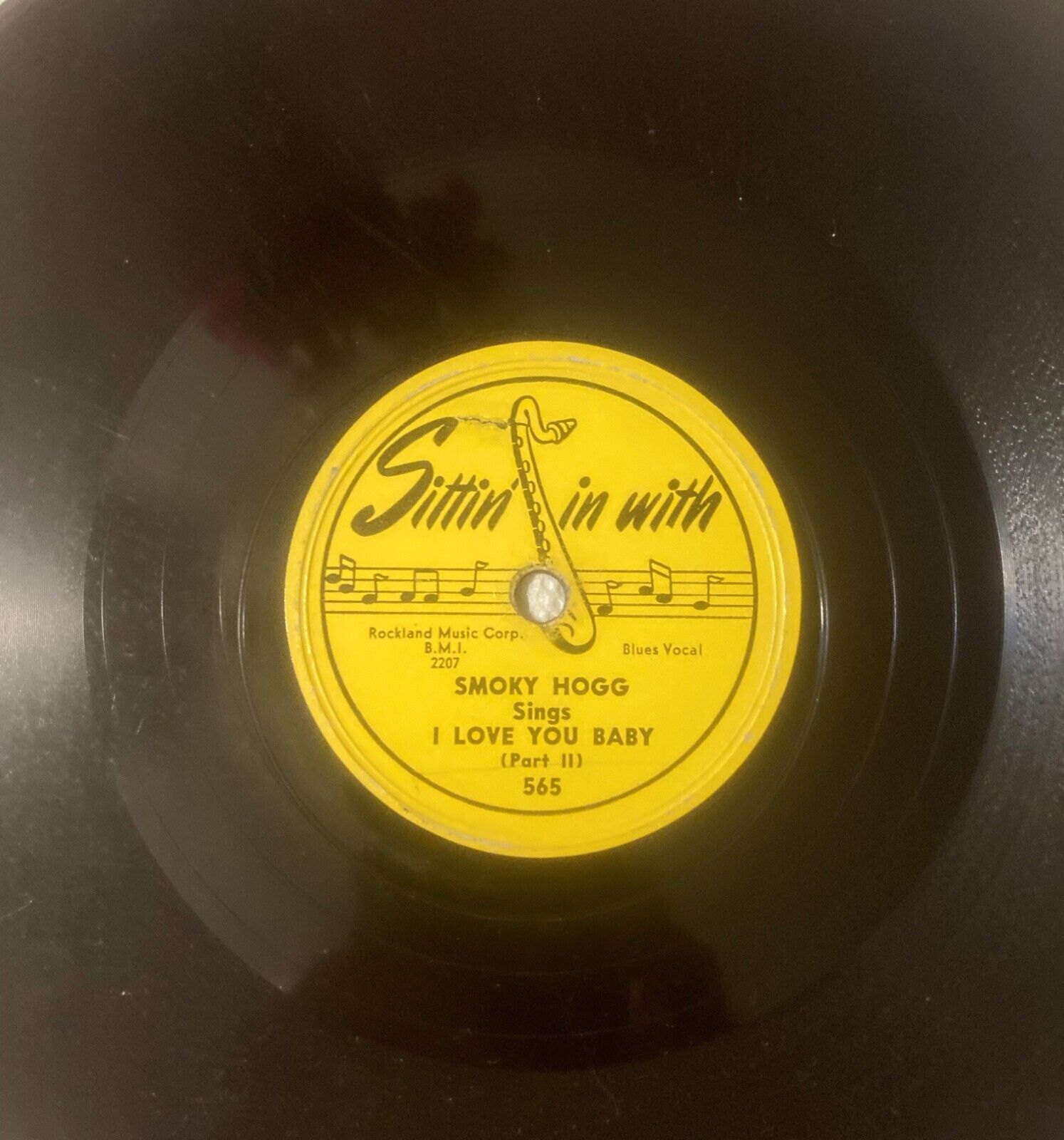
BLUES SMOKY HOGG ROCKLAND MUSIC SITTIN IN WITH LABEL VINTAGE 78 RPM RECORD
$
20



Favourite Auctions
To save auctions to your favourites, please login
If you don't have an account, please register
Description
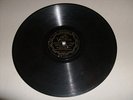
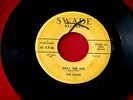
YOU ARE BIDDING ON AN ORIGINAL BLUES RECORDING. 10 INCH DIAMETER 78RPM
BLUES VOCAL RECORDING BY SMOKY HOGG..
PRODUCED AND RECORDED ON THE SITTIN IN WITH LABEL 2206/2207
RECORD MANUFACTURED ROCKLAND MUSIC CORP. B.M.I. NO.565.
SIDE A ...I LOVE YOU BABY PART 1.
SIDE B....I LOVE YOU BABY PART 2.
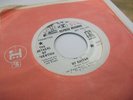
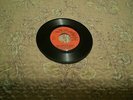
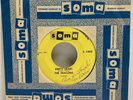
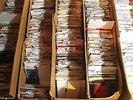
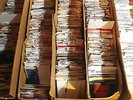
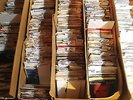
CONDITION IS VERY GOOD+ (SEE PICTURES) .
NOTE THIS RECORD HAS BEEN PLAYED AND TESTED ALL THE WAY AND PLAYS WELL FOR IT'S AGE.
Andrew "Smokey" Hogg (January 27, 1914 – May 1, 1960)[1] was an American post-war Texas blues and country blues musician.
Hogg was born near Westconnie, Texas, and grew up on a farm.[2] He was taught to play the guitar by his father, Frank Hogg.[2] While still in his teens he teamed up with the slide guitarist and vocalist B. K. Turner, also known as Black Ace,[2] and the pair travelled together, playing a circuit of turpentine and logging camps, country dance halls and juke joints around Kilgore, Tyler, Greenville and Palestine, in East Texas.
In 1937, Decca Records brought Hogg and Black Ace to Chicago to record. Hogg's first record, "Family Trouble Blues" backed with "Kind Hearted Blues", was released under the name of Andrew Hogg. It was an isolated occurrence — he did not make it back into a recording studio for over a decade.[1] By the early 1940s, Hogg was married and making a good living busking around the Deep Ellum area of Dallas, Texas.
Hogg was drafted in the mid-1940s. After a brief spell with the U.S. military, he continued working in the Dallas area, where he was becoming well known. In 1947 he came to the attention of Herbert T. Rippa Sr., the head of the Dallas-based record label Bluebonnet Records, who recorded several sides with him and leased the masters to Modern Records.
The first release on Modern was the Big Bill Broonzy song "Too Many Drivers".[2] It sold well enough that Modern brought Hogg to Los Angeles to cut more sides with their team of studio musicians. These songs included his two biggest hits, "Long Tall Mama" in 1949 and another Broonzy tune, "Little School Girl."[2] In January 1950, "Little School Girl" reached number 5 on the Billboard Retail R&B chart and number 9 on the Most Played Juke Box R&B chart.[3][4]
His two-part "Penitentiary Blues" (1952) was a remake of the prison song "Ain't No More Cane on the Brazos".[5]
Hogg's style was influenced by Broonzy, Peetie Wheatstraw and Black Ace.[1] His playing tended to be rhythmically inconsistent; author and critic Peter Guralnick observed that “there is never any beat as such to Smokey Hogg’s music, though a pulse can sometimes be detected”.[6]
His music was popular with record buyers in the South during the late 1940s and early 1950s, and he continued to work and record until the end of the 1950s.[2]
price rating