Anthony Williams Spring 4216 Blue Note Mono 1966 Ear RVG 1st Press Wayne Shorter
$
160
Favourite Auctions
To save auctions to your favourites, please login
If you don't have an account, please register
Description
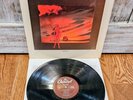
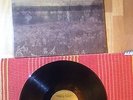
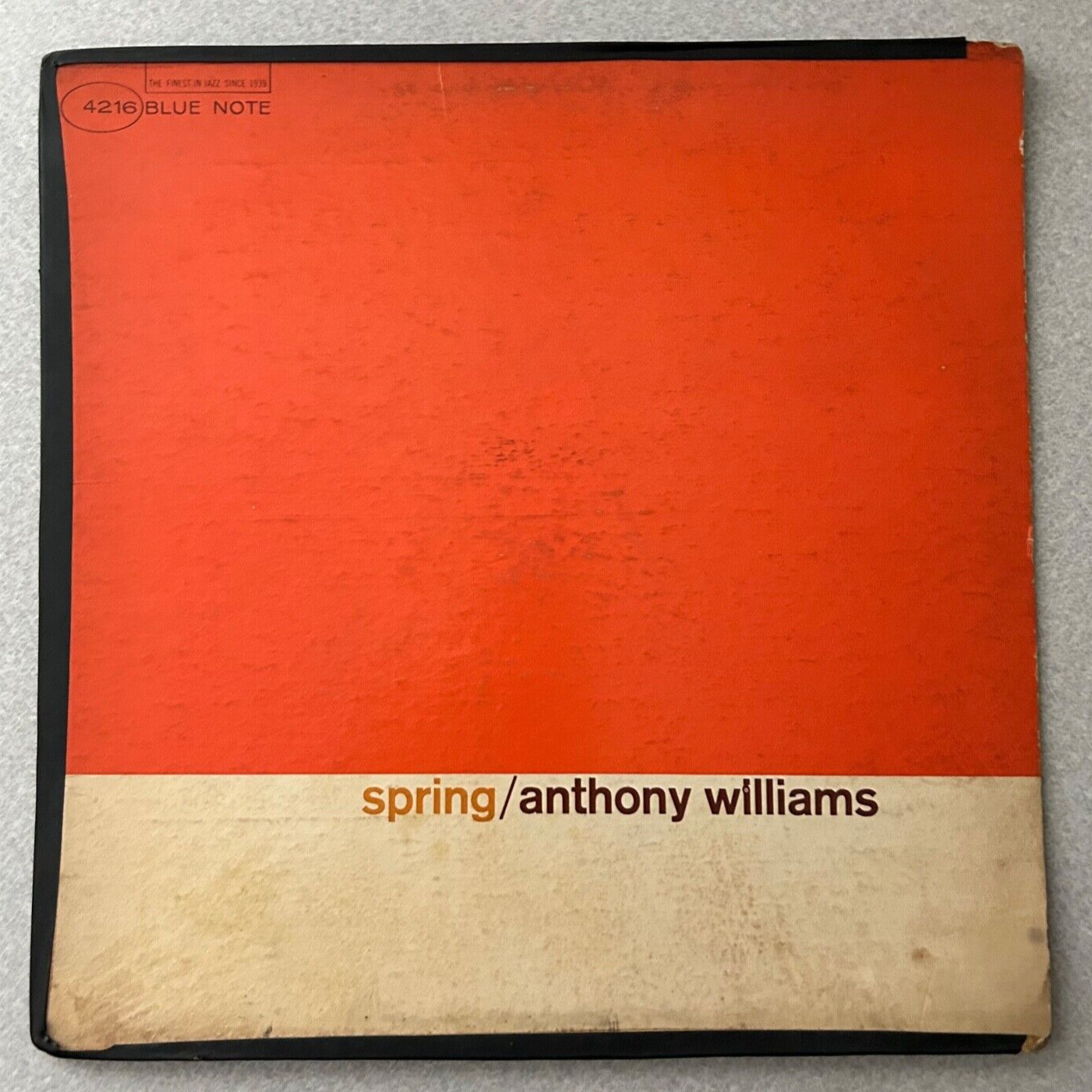
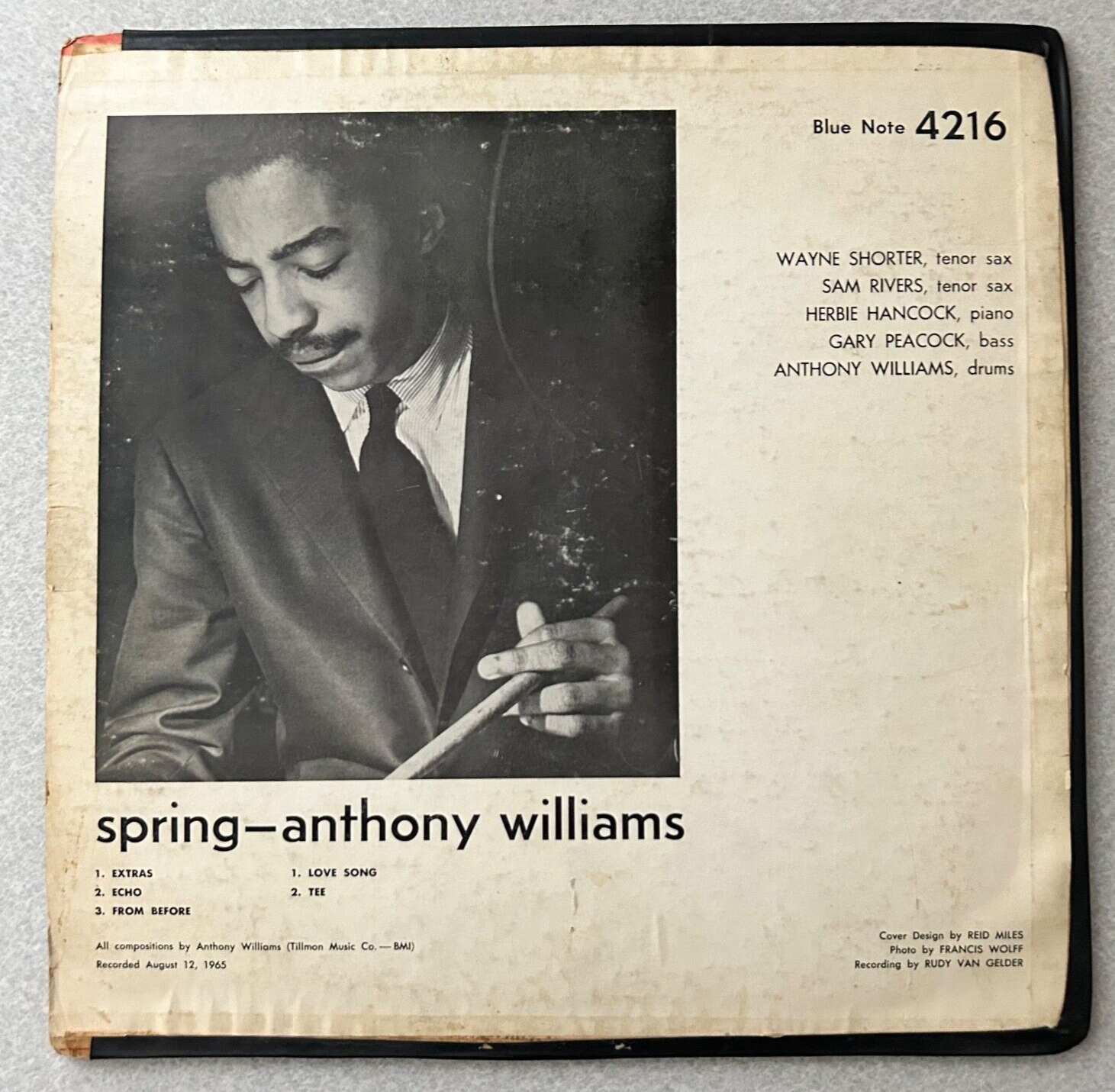
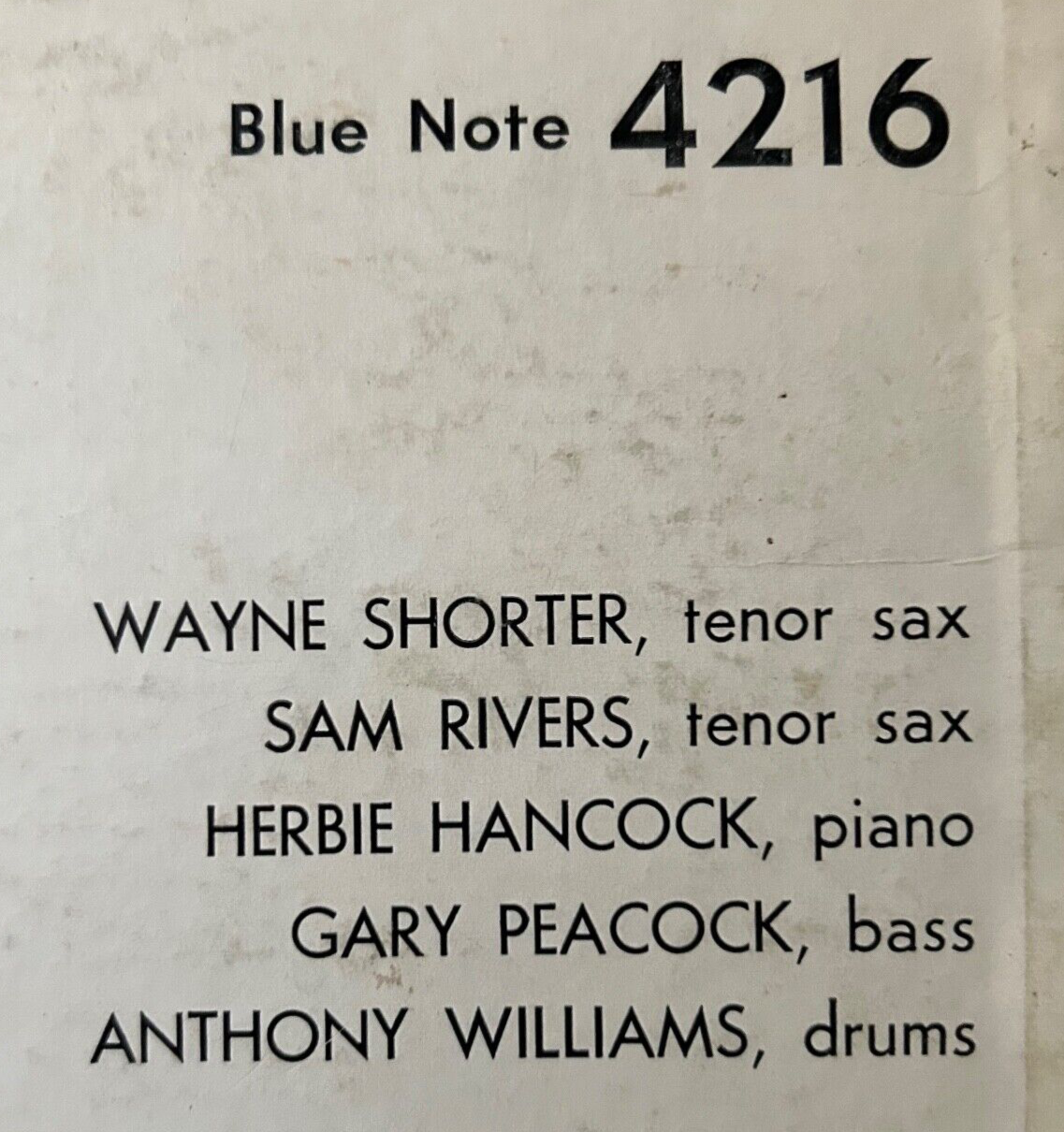
Anthony Williams Spring 4216 Blue Note Mono 1966 Ear RVG 1st Press Wayne Shorter Herbie Hancock Sam Rivers Gary Peacock Archival Sleeve Rare (I wish it was in better shape)
I absolutely love this record, interesting compositions and slightly outside but I'd hardly call this free jazz. There are definitely underlying melodies happening within the solos which turn this record into high level art in my opinion. A fine outing for Gary Peacock on bass who with Tony Williams propels the music forward. A must have in the Blue Note canon.
Recorded August 12, 1965.
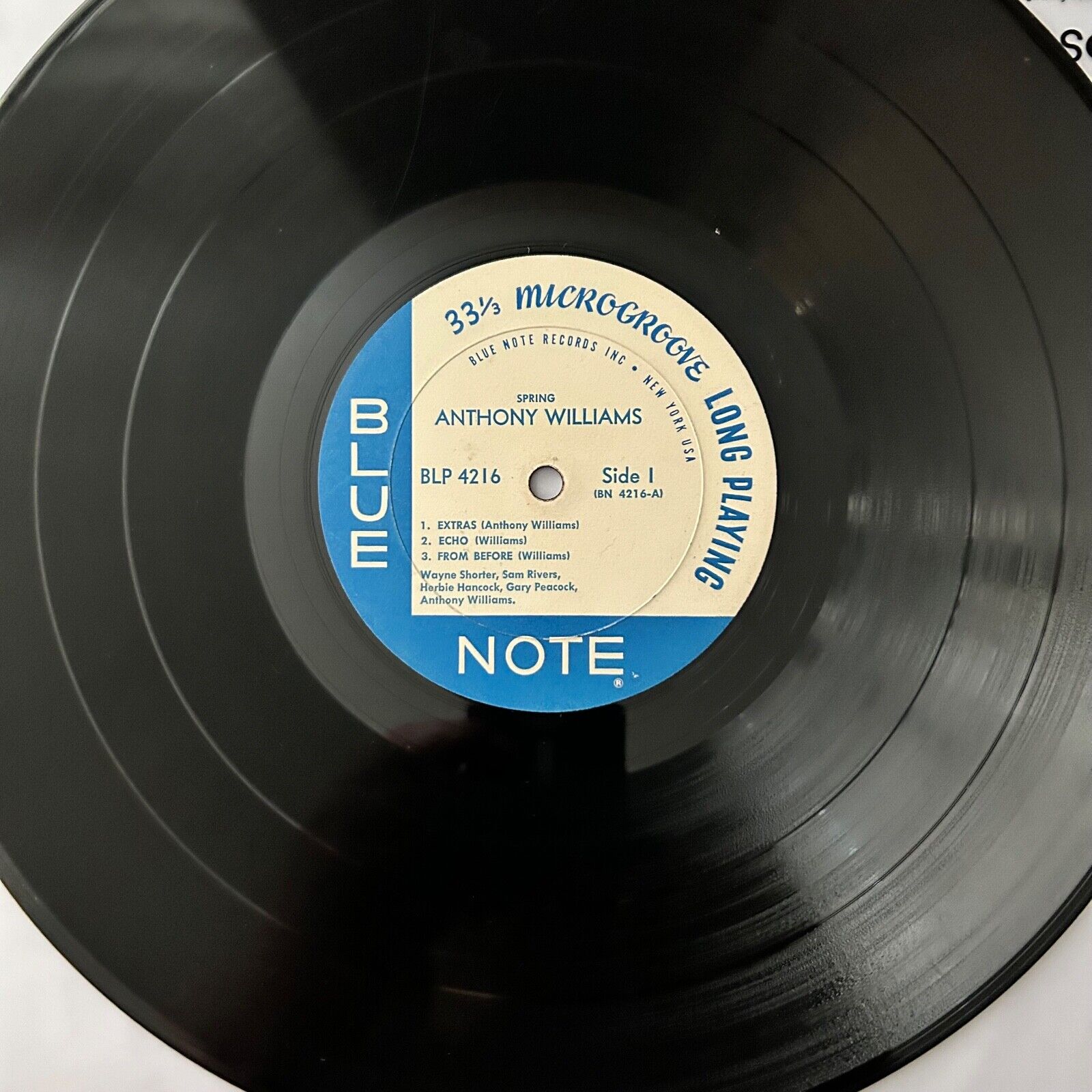
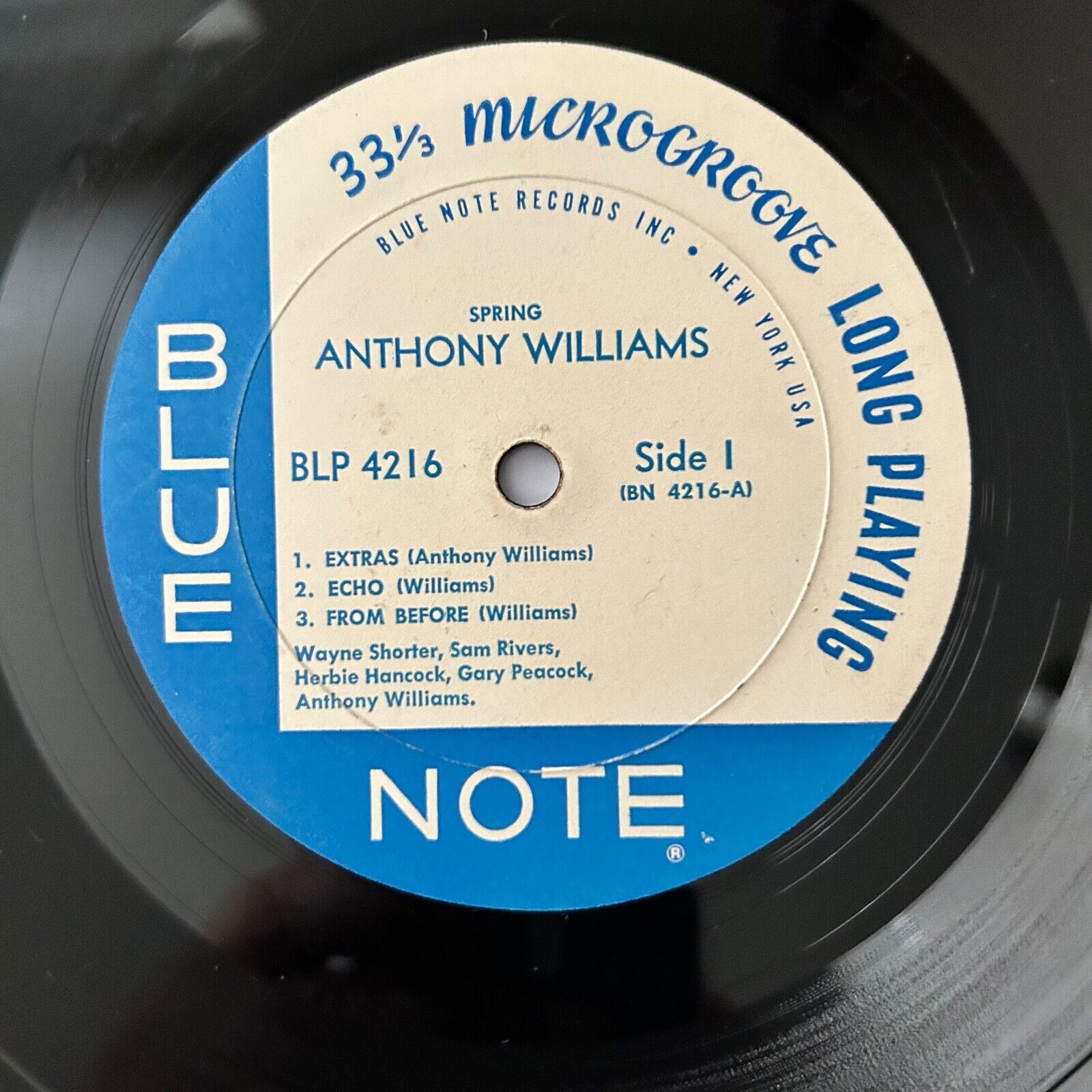
The 1st original Mono pressing has:
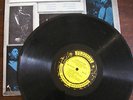
- Blue and white "Blue Note Records, Inc." - "New York USA" labels,
- Van Gelder stamped in the dead wax, both sides,
- P for Plastylite plant, wrongly called "ear", stamped in the dead wax, both sides,
- Non-laminated cover.
- First catalog number on cover and second on labels
Spring is the second album by American drummer Tony Williams recorded in 1965 and released on the Blue Note label. Williams is featured with tenor saxophonists Sam Rivers and Wayne Shorter, pianist Herbie Hancock and bassist Gary Peacock. Anthony Tillmon Williams (December 12, 1945 – February 23, 1997) was an American jazz drummer. Williams first gained fame as a member of Miles Davis' "Second Great Quintet," and later pioneered jazz fusion with Davis' group and his own combo, the Tony Williams Lifetime. In 1970, music critic Robert Christgau described him as "probably the best drummer in the world." Williams was inducted into the Modern Drummer Hall of Fame in 1986
At 17, Williams gained attention by joining Miles Davis in what was later dubbed Davis's Second Great Quintet. Williams was a vital element of the group, called by Davis in his autobiography "the center that the group's sound revolved around." His playing helped redefine the role of the jazz rhythm section through the use of polyrhythms and metric modulation. Meanwhile, he recorded his first two albums as a leader for the Blue Note label, Life Time (1964) and Spring (1965). He also recorded as a sideman for the label including the classics Out to Lunch! with Eric Dolphy and Point of Departure with Andrew Hill, both in 1964.
Wayne Shorter (August 25, 1933 – March 2, 2023) was an American jazzsaxophonist, composer and bandleader. Shorter came to mainstream prominence in 1959 upon joining Art Blakey's Jazz Messengers, for whom he eventually became the primary composer. In 1964 he joined Miles Davis' Second Great Quintet, and then co-founded the jazz fusion band Weather Report in 1970. He recorded more than 20 albums as a bandleader.
Samuel Carthorne Rivers (September 25, 1923 – December 26, 2011) was an American jazz musician and composer. Though most famously a tenor saxophonist, he also performed on soprano saxophone, bass clarinet, flute, harmonica, piano and viola.
Active in jazz since the early 1950s, he earned wider attention during the mid-1960s spread of free jazz. With a thorough command of music theory, orchestration and composition, Rivers was an influential and prominent artist in jazz music.[
Herbert Jeffrey Hancock (born April 12, 1940) is an American jazz musician, bandleader, and composer. Hancock started his career with trumpeter Donald Byrd's group. He shortly thereafter joined the Miles Davis Quintet, where he helped to redefine the role of a jazz rhythm section and was one of the primary architects of the post-bop sound. In the 1970s, Hancock experimented with jazz fusion, funk, and electro styles, using a wide array of synthesizers and electronics. It was during this period that he released perhaps his best-known and most influential album, Head Hunters.
Gary George Peacock (May 12, 1935 – September 4, 2020) was an American jazzdouble bassist. He recorded a dozen albums under his own name, and also performed and recorded with major jazz figures such as avant garde saxophonist Albert Ayler, pianists Bill Evans, Paul Bley and Marilyn Crispell, and as a part of Keith Jarrett’s “Standards Trio” with drummer Jack DeJohnette. The trio existed for over thirty years, and recorded over twenty albums together. DeJohnette once stated that he admired Peacock's "sound, choice of notes, and, above all, the buoyancy of his playing." Marilyn Crispell called Peacock a "sensitive musician with a great harmonic sense."
price rating